

Understanding Appliance Lifespan
At Los Angeles Appliance Repair, we know how crucial it is to distinguish when to repair versus replace your home appliances. Over the years, our experience has shown us the importance of understanding the expected lifespan of each appliance. Generally, refrigerators can last about 10-18 years, while washing machines typically operate efficiently for 8-16 years.
Not every appliance has the same longevity. Understanding these timelines helps in deciding whether an old appliance is worth salvaging. Some appliances might just need a few tweaks, whereas others could have reached the end of their road.
Regular maintenance is a key factor in extending appliance life. Our team recommends routine check-ups to catch minor issues before they escalate into costly repairs or replacements.
Evaluating Repair Costs
Considering repair costs is essential when deciding how to know when to repair vs. replace your home appliances. It’s often beneficial to weigh the cost of repairs against the value of a new appliance. If repairs are less than half the replacement cost, it might be wise to repair.
Our technicians aim to provide transparent cost assessments. We resolve issues quickly while offering advice on whether a repair is financially sensible. An appliance’s age could significantly influence this decision. Older units might demand frequent repairs, making replacement a more cost-effective option in the long run.
Impact of Energy Efficiency
Energy efficiency is another critical consideration. Newer appliances typically offer better energy-saving features than older models. It makes them more cost-effective over time. Appliances that consistently consume more energy could lead to higher utility bills.
Our clients often ask how to know when to repair vs. replace your home appliances with energy efficiency in mind. We recommend assessing the energy savings potential against repair costs. Sometimes, upgrading to an energy-efficient model can result in long-term savings, outweighing the initial outlay.
Los Angeles Appliance Repair can guide you on the latest energy-efficient models. Our experienced technicians stay informed about the newest technologies to provide you with the best options.
Considerations Based on Appliance Type
Different appliances come with their unique problems and considerations. For instance, a malfunctioning refrigerator might affect the freshness of food, while a broken dryer can interrupt your laundry regime. Every appliance serves a specific function, and its failure can impact daily life.
As professionals in the industry, we advise customers on how to know when to repair vs. replace your home appliances by considering the significance of each one. For critical appliances like refrigerators, timely repairs are necessary.
However, for non-essential appliances, a temporary workaround might suffice until a replacement is feasible. Our insights help prioritize which repairs are urgent and which are manageable through temporary solutions.
Anecdotal Experiences and Professional Advice
Throughout our years of service, we've encountered various scenarios where the decision to repair or replace wasn't straightforward. Once, a client faced an ailing oven that evoked memorable family gatherings. They chose repair, valuing sentimentality over practicality.
In another instance, a client had a washing machine that demanded frequent repairs. The costs accumulated over time, prompting an eventual replacement. These stories highlight how personal experiences and emotions can influence decisions.
In deciding how to know when to repair vs. replace your home appliances, our expert team remains available to guide you through each choice. Our goal is to blend practicality with empathy, enhancing the functionality of your home with informed decisions.
Understanding the Importance of Maintenance
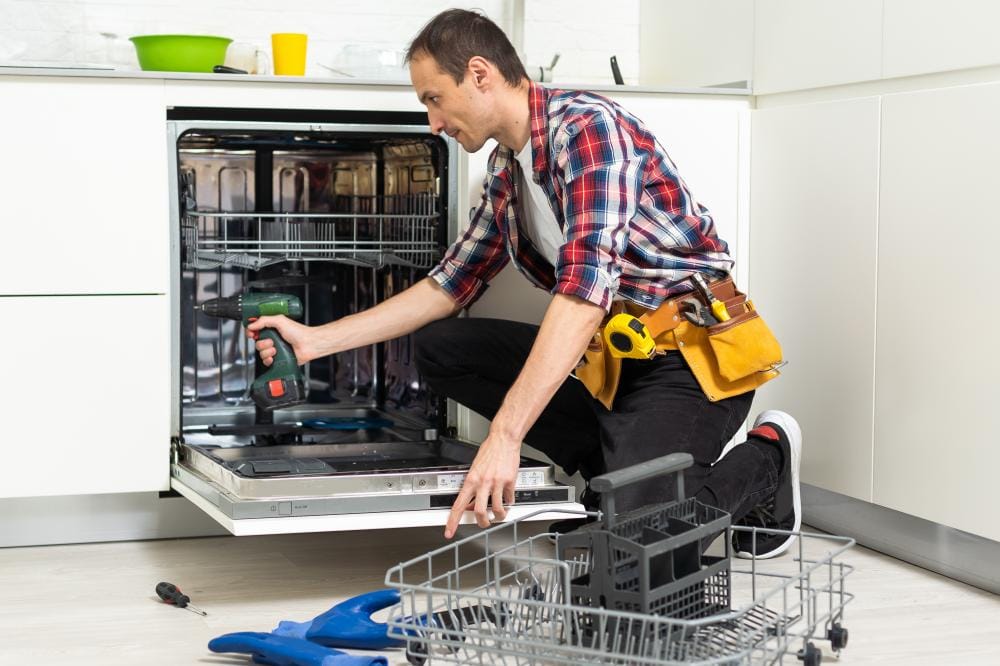
Home Appliance Maintenance Tips are essential for prolonging the life and efficiency of your household equipment. From my experience at Los Angeles Appliance Repair, consistent attention can prevent unexpected breakdowns. Regular maintenance isn't just about fixing problems; it's about preventing them from occurring in the first place.
Our daily reliance on appliances means they require periodic checks. Ignoring this could lead to higher utility bills and expensive repairs. A few simple actions can make a big difference. Keeping your appliances in top condition ensures they serve you well for years to come.
Refrigerator Care
The heart of any kitchen deserves special attention. A functioning refrigerator is crucial for maintaining a steady household rhythm. One of the top Home Appliance Maintenance Tips involves cleaning the coils regularly. Dust buildup in the coils can hinder performance and increase energy consumption. A gentle vacuuming every six months can work wonders.
Moreover, don't underestimate the importance of door gaskets. When these seals are clean, they prevent air leaks that force your fridge to work unnecessarily hard. A sponge and warm water are sufficient for this task. If you notice a tear, it's time to consult a professional.
Our clients often thank us for reminding them of these small but significant actions. Through regular maintenance, your fridge can maintain optimal cooling efficiency, saving you money in the long run.
Washer and Dryer Upkeep
Many overlook washer and dryer maintenance until there's an issue. However, a few diligent practices can ensure their longevity. Avoid overloading, as this can damage motors and belts. Home Appliance Maintenance Tips from our team encourage regular inspections of hoses for cracks or leaks.
Lint isn’t just a fire hazard; it can also impair dryer efficiency. Clean the lint trap after each use and inspect the vent periodically to ensure no blockage. These steps are simple but can significantly increase your dryer's lifespan.
Remember to run a maintenance cycle with vinegar in your washer once a month. It keeps the machine fresh and prevents mold growth.
Air Conditioning Tactics
For those of us in Los Angeles, a working air conditioner is more than a luxury. To maintain optimal performance, changing filters every three months is one of the best Home Appliance Maintenance Tips we give. This ensures clean air and unclogged systems.
Spring cleaning isn't just for homes; it's for your AC, too. Clearing debris from outdoor fans and checking refrigerant levels can prevent costly repairs. Remember, a well-maintained air conditioner doesn't just cool your home efficiently; it also consumes less energy.
Miscellaneous Appliance Tips
Your appliances work hard, so showing them a little love can go a long way. For garbage disposals, occasional vinegar and baking soda can freshen and clean them. A trick I learned is using frozen lemon cubes; they clear clogs and impart a fresh scent.
Microwaves benefit from regular cleaning. A simple steam of water and vinegar softens residue, making it easy to wipe away. To prevent fires, frequently de-crumb your toasters. Sometimes, the simplest Home Appliance Maintenance Tips make the biggest difference.
Unusual Sounds and Smells
From my years of experience at Los Angeles Appliance Repair, I can confidently say that unusual sounds are clear signs of appliances needing repair or replacement. The usual hum of a refrigerator or the gentle swish of a washing machine transforms into clanks or screeches when internal components misalign or wear out. These sounds often indicate mechanical issues that require prompt attention.
Unusual smells also signal potential problems. A burning odor might mean electrical components are overheating, posing a fire risk if ignored. A musty smell from dishwashers or washers might suggest mold build-up, affecting both performance and health. We know these signs well and advise immediate inspection to prevent further damage.
Energy Bills and Performance
Have you noticed a spike in your energy bills without a change in usage? This might be one of the subtle signs of appliances needing repair or replacement. When appliances work harder due to faults, they consume more energy, leading to higher bills. From my experience, faulty compressors in refrigerators or clogged filters in air conditioners often cause this inefficiency.
Poor performance is another indication. If appliances like ovens or dryers underperform, it might be due to worn-out parts or blockages. Addressing these signs swiftly can spare you from longer-term issues, including appliance failure.
As part of our service, we assess these problems, ensuring your appliances run efficiently, thus keeping your energy consumption in check.
Water Leaks and Overheating
Water leaks are blatant signs of appliances needing repair or replacement. Be it a puddle under your fridge or washer, ignoring such leaks can lead to substantial home damage. From our experience, leaks often arise from broken seals or clogged hoses. Addressing them quickly prevents costly repairs or replacements.
Similarly, overheating is a red flag. When appliances feel hotter than usual, it might indicate blocked vents or faulty components. Such conditions reduce efficiency and increase fire hazards. Our technicians are adept at diagnosing these issues, ensuring the safety and functionality of your appliances.
Age and Technical Issues
The age of an appliance often determines its repair or replacement needs. Typically, appliances have a lifespan of 10-15 years. If an appliance is nearing or exceeding this age range and shows malfunctions, it likely needs attention. Tracking maintenance history helps anticipate these needs, preventing sudden breakdowns.
Technical issues are also crucial signs of appliances needing repair or replacement. Modern appliances come with digital displays. Error codes or flickering screens often indicate electronic glitches. Early intervention can prevent severe malfunctions, which we are well-prepared to address with our experienced team.
Our insights and expertise help us tackle a range of appliance issues, safeguarding your household's efficiency and safety.
Excessive Vibrations and Frequent Cycling
Excessive vibrations are telltale signs of appliances needing repair or replacement. Washers and dryers, in particular, may vibrate if unbalanced or if internal components like motors or bearings wear down. Such vibrations can lead to further damage if not addressed promptly.
Frequent cycling of appliances is often overlooked but is a significant indicator of underlying issues. For instance, a constantly running refrigerator might have thermostat problems. Likewise, an air conditioning unit that cycles often can suffer from electrical or system failures. Such cycling increases wear and tear, reducing appliance lifespan and efficiency.
Our skilled technicians at Los Angeles Appliance Repair are experienced in diagnosing and resolving these issues effectively, ensuring the longevity and smooth operation of your household appliances.
Is it better to repair or replace appliances?
In our experience at Los Angeles Appliance Repair, whether you should repair or replace an appliance depends largely on a few critical factors. One of the key considerations is cost. If the repair costs are less than half the price of purchasing a new appliance, it usually makes sense to opt for a repair. However, we also recommend factoring in the age and energy efficiency of the appliance. Older models might cost more to operate over time due to less efficient energy usage. If you find that you’re consistently paying high electricity bills or needing frequent repairs, replacement might be the more economical choice in the long run.
We often suggest doing a brief energy audit to determine if your appliance is causing a significant uptick in utility costs. Feel free to reach out if you’d like us to assist with this process.
Is it worth repairing 20-year-old appliances?
When it comes to 20-year-old appliances, the decision to repair or replace can be tricky. Generally, appliances of this age are past their intended lifespan—most appliances are designed to last no more than 10-15 years. At this point, even with repairs, the performance is likely not up to current standards in terms of energy efficiency and reliability. From experience, we see that frequent issues tend to arise with aging appliances, which can make repairs less cost-effective over time.
Moreover, newer models come with advanced features that significantly improve your quality of life and are more environmentally friendly. So, in most cases, replacing a 20-year-old appliance is advisable. Are there any specific appliances you’re considering replacing? We’d be happy to discuss options that fit your needs and budget.
When should you replace your appliances?
Replacing an appliance is a significant decision, but there are key indicators that make it clear when it’s time to let go. Frequent breakdowns and costly repairs are obvious signs. If you find that repairs are becoming routine more than exceptions, it might be time to replace. Another factor is energy efficiency. Appliances that are over a decade old may consume more power, leading to higher energy bills.
An often-overlooked indicator is the noise level. If your appliances are making unusual sounds, they might have internal issues that could lead to further inefficiencies. Lastly, if your appliance lacks safety features that newer models offer, consider replacement for peace of mind. Interested in exploring new models with enhanced features? Let’s discuss what might work best for your home and lifestyle.
What is the average lifespan of appliances?
Understanding the average lifespan of appliances can help you plan when replacements might be necessary. Typically, refrigerators last about 10-18 years, while washing machines can function well for 8-16 years. Dishwashers usually last around 9-12 years, and ovens can often operate for 15-20 years. Keep in mind that regular maintenance can extend these lifespans by catching issues early.
Engaging in regular maintenance by cleaning coils, checking door gaskets, and addressing any minor issues promptly can help these appliances last longer. Are you keeping tabs on your appliance ages? It might be a good time to do an inventory check and see if any are edging towards their end of life.
What are some home appliance maintenance tips?
Consistent maintenance is the key to prolonging the life of your home appliances. For refrigerators, clean the coils every six months to prevent dust buildup and ensure the door gaskets are free of debris to avoid air leaks. Your washers and dryers will benefit from avoiding overloads and regular checks on hoses for any signs of cracks.
Moreover, regularly cleaning the lint trap in your dryer and inspecting the vent for blockages can prevent fires and improve efficiency. With each bit of maintenance, you’re extending the service life and functionality of your appliances. Have you set a maintenance schedule? It’s a small investment of time now that will prevent bigger issues later.
What are the signs that appliances need repair or replacement?
There are several signs that indicate it may be time for repair or replacement. Unusual sounds, such as clanking or screeching, often suggest mechanical distress. Musty or burning smells can point to mold or overheating components, both of which require immediate attention.
Water leaks, overheating, and an increase in the cycling frequency of appliances, like frequent stops and starts, are additional indicators of underlying problems. If energy bills are creeping up without an increase in usage, the appliances might be the culprit. Identifying these signs early can prevent further damage and help you decide whether to repair or replace. Do you notice any of these warning signs in your appliances? We’d be happy to assist with a thorough inspection to determine the best course of action.
#### Resources for Appliance Repair and Replacement Decisions- Federal Trade Commission (FTC) – The FTC provides information on consumer rights and helps you make informed decisions about appliance repair versus replacement, including understanding warranties and cost assessments.
- U.S. Department of Energy – This government site offers guidance on energy efficiency, including tips for purchasing energy-efficient appliances, which can impact your decision to repair or replace.
- ENERGY STAR – ENERGY STAR is a program that provides information on energy-efficient products and practices, including the benefits and cost savings of replacing old appliances with modern, energy-saving models.
- U.S. Environmental Protection Agency (EPA) – The EPA offers resources on reducing environmental impact through energy-efficient appliances and proper disposal of old appliances.
- Consumer Reports – Although requiring a subscription for full access, Consumer Reports provides unbiased testing and reviews of appliances, helping consumers make informed decisions about whether to repair or replace.

