

Check Power and Thermostat
First things first: always check the power supply when troubleshooting a refrigerator that won’t stay cold. Make sure the refrigerator is securely plugged into a functional outlet. Sometimes, a simple nudge of the plug is all it takes.
Next, examine the thermostat settings. Accidentally turning the thermostat to a higher temperature can prevent your fridge from maintaining the cold it needs. Set it back to the recommended level to see if that resolves the issue.
It's also wise to ensure that no household circuit breakers have tripped. Overloaded circuits can cut off power and disrupt the cooling process. Rest assured, these steps will cover the basic checks.
Inspect Door Seals and Air Circulation
A faulty door seal can seriously hinder a refrigerator’s ability to stay cold. The rubber gaskets should form a tight seal when the door is closed. Cracked or worn gaskets allow warm air to seep in, reducing cooling efficiency.
To test, try slipping a thin piece of paper between the door and the seal. If it slides out easily, you may need to replace the gasket. Ensuring the door closes tightly eliminates unnecessary strain on the cooling system.
Blocked vents are another culprit. Overpacked refrigerators can restrict airflow, making it hard for cool air to circulate. Rearrange items to clear pathways, allowing for adequate air movement.
Allow space between items on the shelves, particularly near the back or sides. This step not only helps with cooling but also improves overall efficiency.
Clean Condenser Coils
Dirty condenser coils can drastically reduce a refrigerator's cooling ability. These coils dispel heat from the unit, but when coated in dust, they struggle to do so. Cleaning them is a crucial step in troubleshooting a refrigerator that won’t stay cold.
First, unplug the appliance. Next, locate the coils, which are typically at the back or beneath the unit. Use a coil brush or vacuum to remove accumulated dust and debris.
Perform this maintenance at least twice a year. It ensures the coils operate efficiently, maintaining an optimal temperature inside your refrigerator.
Remember, a little cleaning can go a long way in preventing bigger, costlier repairs. Consistency in upkeep can save you from unexpected appliance breakdowns.
Evaluate Internal Components
If your refrigerator still won’t stay cold, internal components might be the issue. The evaporator fan, located behind the freezer wall, is vital for circulating air. It should run whenever the compressor is on.
Listen for the fan's sound. If it’s silent or inconsistent, the motor might be faulty. This requires a professional for accurate diagnosis and repair. Don’t hesitate to call if this step seems daunting.
The compressor itself might also be the problem. It’s rarer but can occur. A continuously running compressor that doesn’t cool suggests a need for expert service. As always, safety first—avoid opening sealed components yourself.
Consider Professional Help
While DIY approaches work for simple issues, some problems require an expert touch. If after troubleshooting a refrigerator that won’t stay cold, the issue persists, engage a professional technician. This can prevent further damage and ensure a swift return to optimal function.
At Los Angeles Appliance Repair, our technicians bring years of experience. We are equipped to handle complex repairs efficiently and safely. Trust us to restore your refrigerator’s cooling capabilities swiftly.
Prioritize peace of mind when appliance issues arise. Seeking professional help ensures proper diagnosis and repair, saving time and effort in the long run.
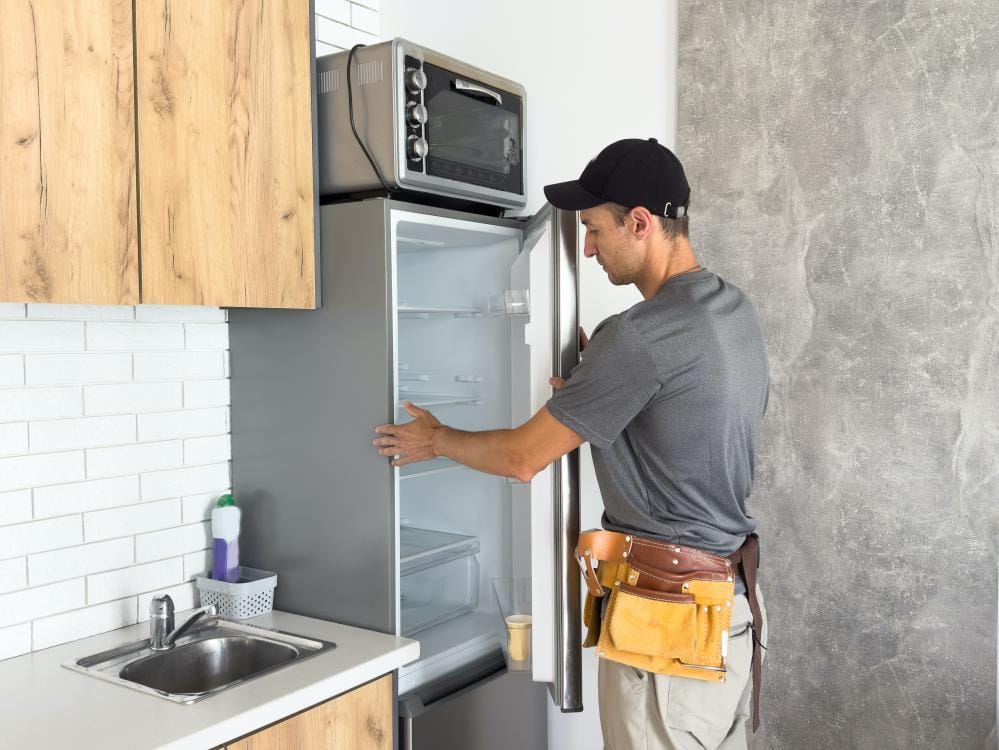
Causes of Refrigerator Not Cooling
Over the years, we've encountered countless instances of refrigerator not cooling issues. Many stem from simple oversights. For instance, a blocked air vent might obstruct airflow, causing uneven cooling. Additionally, dirty condenser coils can lead to inefficiencies in the cooling process.
A malfunctioning thermostat can also disrupt cooling. When the thermostat isn't working correctly, the refrigerator might not maintain the desired temperature. Furthermore, issues like faulty door seals can allow cold air to escape, reducing overall efficiency.
At times, the problem might lie with the compressor. If the compressor is malfunctioning, your refrigerator will likely struggle to cool effectively. Knowing these potential issues can aid in diagnosing the problem more swiftly.
Simple Troubleshooting Steps
Start by ensuring the refrigerator is plugged in and receiving power. This might sound obvious, but a loose plug can be an overlooked cause of refrigerator not cooling. Always check for lights inside the fridge to confirm it's powered on.
Next, inspect the thermostat settings. Accidentally turning down the thermostat may cause a noticeable decrease in cooling efficiency. Resetting the thermostat to the recommended temperature can often resolve the issue.
Ensure the air vents inside the fridge are unobstructed. Clear any items blocking these vents, which can severely impact airflow and lead to cooling problems. Often, overpacked freezer compartments block cold air from circulating.
Advanced Diagnosis and Solutions
Sometimes, the refrigerator not cooling necessitates more advanced troubleshooting. If you hear the compressor running without adequate cooling, the problem might be the evaporator coils. Clearing frost from these coils can restore functionality.
Cleaning the condenser coils can drastically improve efficiency. Dirty coils force your refrigerator to work harder, often leading to cooling problems. We recommend a thorough cleaning as part of regular maintenance.
If diagnosing and fixing these issues proves challenging, it might be time to reach out to professionals. Addressing complex issues like a faulty compressor or broken thermostat requires specialized knowledge and tools.
When to Call a Professional Technician
Refrigerator not cooling can transition from a minor inconvenience to a significant issue if not addressed quickly. Recognizing when to call for professional help is crucial. Persistent problems, like a non-functioning compressor, demand expert assessment.
Our skilled technicians provide prompt and reliable service, addressing issues efficiently. They are well-equipped to handle various refrigerator problems, offering informed solutions that save you time and stress.
Don't hesitate to schedule a service if you notice any persistent cooling issues. Early intervention with expert advice can prevent further damage and potentially costly repairs.
We pride ourselves on delivering top-notch customer service, ensuring that any refrigerator not cooling issue is resolved promptly, restoring comfort to your kitchen environment.
Maintaining Your Refrigerator
Routine maintenance is key to preventing common causes of refrigerator not cooling. Regularly vacuum the coils to remove dust, optimizing the fridge's efficiency. Keeping the interior organized ensures proper airflow.
Also, check door gaskets regularly. Damaged seals allow cold air to escape, compromising efficiency. Replacing these seals when necessary can prevent minor issues from escalating.
Consistent maintenance not only extends the life of your appliance but also enhances its performance. Our technicians can provide maintenance tips tailored to your specific refrigerator model, ensuring it remains in top condition.
Refrigerator Cooling Issues
A refrigerator that does not cool is one of the most frustrating common refrigerator problems. It can lead to spoiled food and unnecessary expenses. The most typical causes include dirty condenser coils or a malfunctioning thermostat. Here in Los Angeles, we've often resolved cooling issues by simply cleaning the coils. Dusty coils can significantly impact cooling efficiency.
Another factor is the door seal. A weak seal allows cold air to escape. This can lead to a warm fridge interior. It's vital to inspect and replace seals as needed. We also ensure that the thermostat is functioning correctly. Incorrect settings or a malfunctioning thermostat often leads to cooling issues.
In some cases, the evaporator fan or condenser fan might be faulty. We have experienced technicians who can address these problems swiftly.
Unusual Noises
Refrigerators should hum quietly. Unusual noises are often indicative of common refrigerator problems. A rattling sound might indicate a misaligned fan blade. We often find this issue and resolve it by simple adjustments.
a high-pitched squeal usually points towards a malfunctioning evaporator fan motor. It's crucial to address this promptly. The sooner it's fixed, the lesser the damage. In other instances, the water inlet valve might be to blame. Mineral deposits can clog it, leading to noise during ice production.
These noises can be annoying, but they are usually straightforward to fix. Our technicians can diagnose and resolve noise issues efficiently.
Ice Maker Failures
The convenience of an ice maker can be disrupted by several factors. Frozen water lines are a frequent culprit. We often find inadequate water pressure as another root cause. Ensuring optimal water pressure can resolve many ice maker issues.
Another factor to consider is the water filter. A clogged filter can hinder ice production. Regular replacement of the water filter is essential. Additionally, incorrect freezer temperatures can cause issues. It's imperative to maintain a consistent temperature to ensure proper ice production.
Door Seal Problems
A faulty door seal is one of the most common refrigerator problems. It can cause significant energy inefficiency. A simple cleaning can often resolve seal issues. Food debris, particularly sticky substances like jellies, can prevent a proper seal.
With age, gaskets may dry out or peel off. Regular inspection is crucial, especially for older models. When necessary, we replace worn-out seals promptly. This ensures the refrigerator operates efficiently and maintains optimal temperature.
An improper seal can lead to increased moisture inside the fridge. This can result in condensation and even frost buildup. Addressing the seal promptly avoids these issues.
Excess Moisture
Excess moisture inside the fridge is another pesky issue. It's a common refrigerator problem, particularly in humid areas. A faulty door seal often exacerbates this issue. We recommend using a dehumidifier to help manage the moisture temporarily.
Regularly opening the fridge can also introduce excess moisture. We advise minimizing the duration and frequency of opening the doors. This helps to maintain a stable internal climate.
If moisture issues persist, professional assessment is necessary. Our technicians can diagnose the underlying cause and propose long-term solutions.
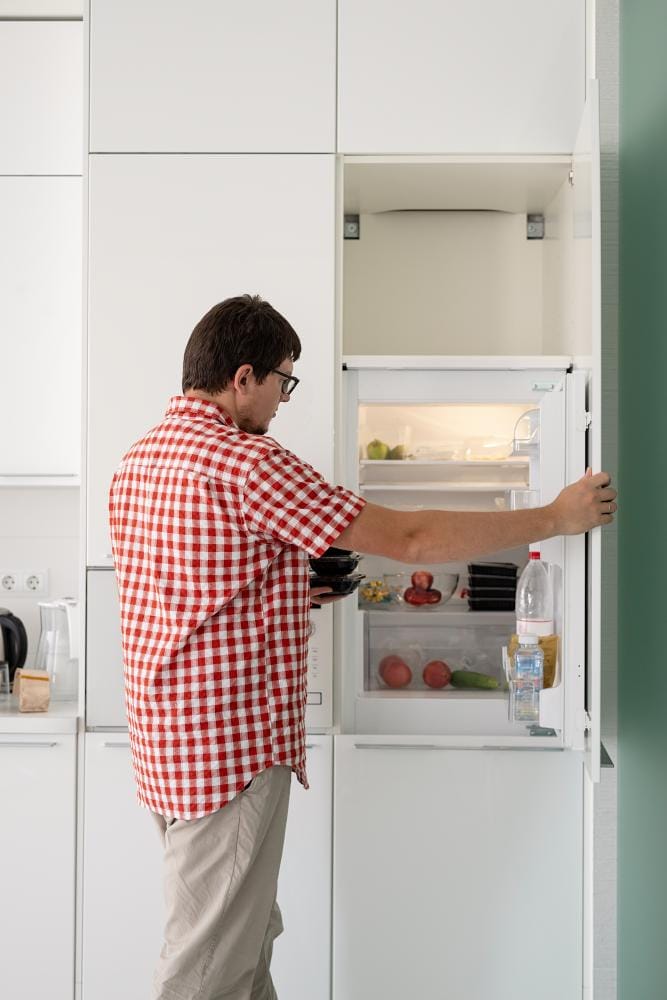
How do you fix a refrigerator that won't stay cold?
At Los Angeles Appliance Repair, we often start with the basics before diving into more complex solutions. First, verify the power supply by checking the plug and circuit breakers. Then, ensure the thermostat is set correctly. It's surprising how often these simple checks resolve the issue.
If the basics are in order, inspect the door seals. A compromised seal can let warm air in, causing the fridge to struggle with cooling. You can test this by placing a piece of paper in the door; if it slips out easily, the gasket may need replacement.
Cleaning the condenser coils is another effective step. Dusty coils hinder heat dispensation, affecting cooling efficiency. We recommend doing this biannually for optimal performance.
Sometimes, the issue might be deeper, such as the evaporator fan or compressor malfunctioning. If you're not comfortable checking these components, it's best to reach out for professional help. Our technicians are ready to diagnose and address these more technical concerns.
What is the first thing to check when a refrigerator stops cooling?
When a refrigerator stops cooling, the first thing we recommend checking is the power supply. It sounds elementary, but you'd be surprised how often a simple unplugged appliance or a tripped circuit breaker is to blame. Check the outlet by plugging in another device or look for signs that the fridge is on, like interior lights.
Once power is confirmed, inspect the thermostat settings. It's easy to accidentally adjust these while cleaning or stocking the fridge, leading to cooling issues. Resetting the thermostat to the optimal temperature can often solve the problem.
What causes a fridge to stop being cold?
Multiple factors can cause a fridge to lose its cooling capability. Frequently, it's something simple, like blocked air vents due to overpacking. This can significantly disrupt airflow, preventing proper cooling. Another common issue is dirty condenser coils. When these are clogged with dust, they can't effectively dispel heat, causing the fridge to work harder without achieving the desired temperature.
Faulty door seals are another frequent culprit. As these seals wear out, they allow cold air to escape and warm air to enter, reducing efficiency. Additionally, internal components like the evaporator fan or thermostat may be malfunctioning. If these parts fail, they can prevent your fridge from running as it should.
If you suspect a more serious issue, seeking professional assistance may be necessary to avoid further complications.
Why would a refrigerator stop cooling and then start again?
This can be a perplexing issue, but it often relates to the internal components such as the compressor or thermostat. Sometimes, these parts may function intermittently due to wear and tear or minor malfunctions, causing the cooling to be sporadic.
Additionally, it might be as simple as the unit going through its defrost cycle. During this process, cooling can temporarily pause, which is completely normal. However, if this cycle appears too frequent or you notice extended periods without cooling, there could be underlying issues that warrant a professional diagnosis.
We encourage monitoring the temperature consistency and noting any patterns that may provide clues to the root cause. If this issue persists, don't hesitate to reach out to us for an expert assessment.
How can regular maintenance prevent refrigerator cooling problems?
Regular maintenance is key to preventing many common refrigerator issues. By routinely cleaning the condenser coils and ensuring that the door seals are in good condition, you can prevent energy inefficiency and cooling problems. Over time, dust and debris can accumulate on the coils, forcing the refrigerator to work harder and less efficiently. We suggest cleaning the coils every six months.
Checking door seals is equally important. A seal that doesn't close properly allows cold air to escape, reducing efficiency and potentially leading to moisture issues. Simple routine checks and cleaning can go a long way in maintaining the overall health of your refrigerator.
Remember, consistent maintenance not only extends the life of your appliance but also enhances its performance, saving you time and money on more serious repairs.
#### Resources SectionUseful Resources for Refrigerator Troubleshooting
- U.S. Department of Energy – Offers information on refrigerator energy efficiency and maintenance tips. Visit their site to find guidance on reducing energy consumption and improving the performance of your appliances.
- Federal Trade Commission – Provides consumer advice on appliance purchases and repairs. Their resources help you make informed decisions and understand your rights when dealing with appliance issues.
- Natural Resources Defense Council – Focuses on environmental protection, including energy-efficient appliance practices. Explore their site to learn about choosing and maintaining eco-friendly refrigerators.
- U.S. Environmental Protection Agency – Offers resources on energy efficiency and environmental standards for household appliances. Their site is valuable for understanding the environmental impacts of home appliances.
- National Institute of Standards and Technology (NIST) – Provides information on appliance standards and technological advancements. Their resources are useful for understanding the technical aspects and innovations in home appliances.

