

Diagnosing the Problem
At Los Angeles Appliance Repair, we often see dishwashers failing to clean properly due to a variety of issues. Our first step is always to diagnose the problem accurately. If you've noticed that your dishes are coming out less than pristine, it might be time to delve into some common culprits.
First, examine the dishwasher’s filter. A dirty filter can seriously impede cleaning performance. Remove and clean it with hot water and a soft brush. Another area to check is the spray arms. These components can become clogged with food particles, reducing their ability to spray water effectively. We recommend removing them to ensure all jets are clear.
Don't forget to inspect the soap dispenser. A malfunctioning dispenser might not release detergent correctly. Our technicians have found that thoroughly cleaning the dispenser with vinegar and hot water often resolves this issue.
Importance of Cleaning
A key factor in how to fix a dishwasher that’s not cleaning properly is maintaining a clean interior. Over time, food residue and soap scum can build up inside the machine. This buildup often leads to poor cleaning results, as the dishwasher struggles to perform with blocked jets and clogged filters.
Regular cleaning not only enhances the appliance's efficiency but also prolongs its lifespan. We advise running a vinegar cycle monthly. Simply pour a few cups of white vinegar into the bottom of the dishwasher and run it on a hot water cycle. This process can dissolve grease and mineral deposits effortlessly.
Checking Water Temperature
The water temperature plays a critical role in your dishwasher’s performance. At Los Angeles Appliance Repair, we suggest ensuring the water heater is set to at least 120 degrees Fahrenheit. This temperature is optimal for removing stubborn food particles and ensuring effective cleaning.
If your model doesn't automatically heat water to this temperature, try running the hot water in your kitchen sink before starting a cycle. This simple step ensures that hot water enters your dishwasher as soon as the cycle begins.
Consider consulting your user manual to verify any built-in heat-boosting features your dishwasher might have. Sometimes, adjusting these settings can make a noticeable difference in cleaning results.
Adapting to Hard Water
Many households in the Los Angeles area deal with hard water, which can complicate how to fix a dishwasher that’s not cleaning properly. Hard water leaves mineral deposits not only on dishes but also inside the dishwasher itself. Over time, these deposits can affect the appliance’s performance.
To minimize hard water issues, we recommend installing a water softener. This addition can significantly reduce mineral buildup. Another helpful tip is using a rinse aid, which can prevent spots and improve drying.
Additionally, look for detergents formulated for hard water. These products can work wonders in reducing mineral residue on both dishes and the dishwasher's internal components.
Finally, always ensure your dishwasher is loaded correctly, allowing water and soap to reach all surfaces effectively.
Considering Professional Repair Services
While many issues can be handled with a bit of troubleshooting, some problems may require a professional touch. If you’ve tried our tips on how to fix a dishwasher that’s not cleaning properly and the issue persists, it might be time to call in the experts.
Our team at Los Angeles Appliance Repair is ready to assist with more complex repairs, such as replacing a faulty inlet valve. These components control the water flow into the dishwasher and can be challenging to fix without proper expertise.
We provide prompt, professional service, ensuring that your dishwasher is restored to peak performance. Reach out to us if you need further assistance or advice. We’re here to help keep your kitchen running smoothly.
Importance of Regular Maintenance
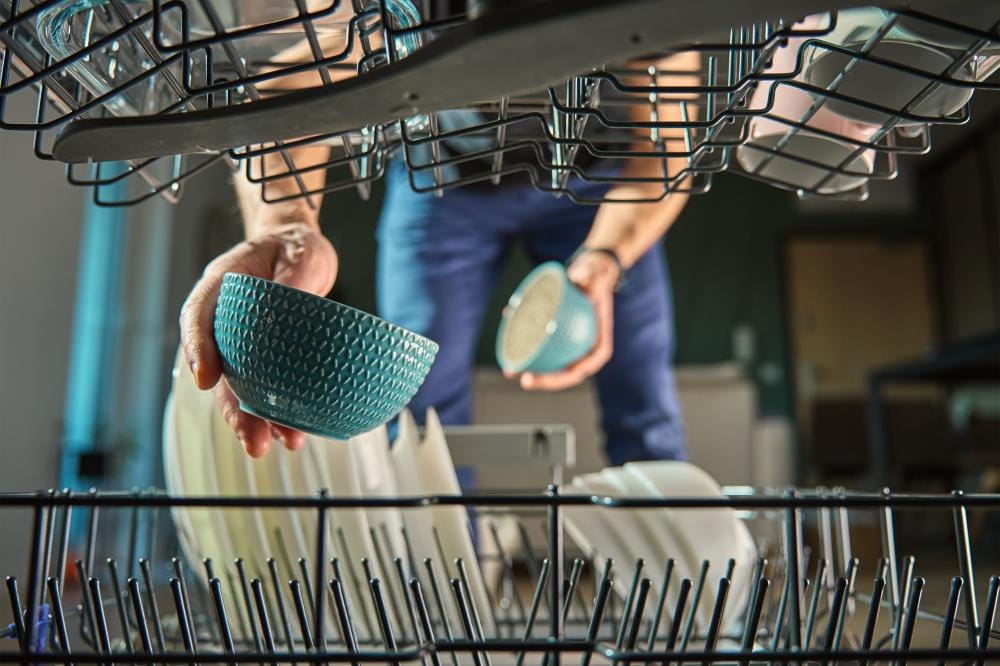
Every household dishwasher deserves some TLC to ensure it performs at its best. Regular maintenance keeps your appliance efficient. It also extends its life, saving you from costly repairs. At Los Angeles Appliance Repair, we know from experience that proactive care can prevent unexpected breakdowns.
Neglecting your dishwasher may lead to poor cleaning results and foul odors. It can even cause more significant issues like leaks. Thus, incorporating dishwasher maintenance tips into your routine ensures your appliance stays reliable.
Essential Cleaning Tasks
A clean filter is crucial for optimal dishwasher performance. Food and grime can accumulate, blocking water flow. We recommend removing and rinsing the filter under warm water once a month. This simple task prevents clogs and maintains efficiency.
Don't overlook the spray arms. They distribute water throughout the machine, so blocked nozzles can diminish cleaning power. Remove the spray arms and clear any debris with a toothpick or brush. Regular checks keep your dishwasher's jets operating smoothly.
Running an empty cycle with a cup of white vinegar can help reduce mineral deposits. This deep cleans the interior, removing buildup that affects performance. It's a simple but effective method, often recommended by our technicians.
Preventive Measures
Proper loading extends the efficiency of your dishwasher. Avoid overcrowding, as this prevents water and detergent from reaching all surfaces. Space dishes adequately, allowing spray arms to move freely without obstruction.
Regularly inspect the door seal. A clean seal prevents leaks and keeps odors at bay. A gentle wipe with a damp cloth and mild detergent is usually all it takes. Paying attention to these details enhances your appliance's longevity.
Another crucial step in dishwasher maintenance tips is using the right detergent. Always choose products specifically designed for dishwashers. This reduces the risk of excessive suds and ensures optimal cleaning outcomes.
Hot water makes a significant difference too. Before starting the dishwasher, run the hot water tap to ensure a hot start to the cycle. This step improves detergent efficiency and overall cleaning results.
Troubleshooting Common Issues
Sometimes, even with diligent care, you might encounter issues. If your dishes aren’t coming out clean, it’s time to investigate. Check the filter and spray arms first. Ensure nothing obstructs their paths.
For drainage problems, inspect the drain for blockages. Clearing debris can often resolve water pooling issues. If drips persist, examining the door seal and hose connections is advisable.
Unusual noises often indicate a need for maintenance. Check for loose parts or obstructions. If necessary, calling a professional can prevent further complications. Our team at Los Angeles Appliance Repair is always ready to help with persistent problems.
Professional Help and Support
While DIY maintenance can be effective, professional checks offer peace of mind. Scheduling regular service visits ensures any underlying issues are addressed. Our experienced technicians can spot potential problems before they escalate.
Opt for professional maintenance at least once a year. This complements your DIY efforts and keeps your dishwasher in top-notch condition. At Los Angeles Appliance Repair, we’re committed to providing reliable and efficient service to our community.
Common Dishwasher Problems: Drainage Issues
As a team well-versed in diagnosing common dishwasher problems, we frequently encounter issues related to drainage. A dishwasher that refuses to drain can be quite a headache. Often, a clogged drain hose or a blocked garbage disposal is at fault. To address this, you might need to clean out the hose or check for obstructions in the disposal unit.
Clogged filters are another culprit. Over time, food debris can accumulate, leading to improper drainage. Regular maintenance, including cleaning of the filters, is crucial. If the problem persists, it might be worth considering calling in a professional to inspect the dishwasher pump, as this part can also develop faults over time.
Common Dishwasher Problems: Leaking
Leaking dishwashers are another frequent issue we deal with. They often result from worn-out door seals or gaskets. If you notice water pooling around your dishwasher, inspecting these seals should be your first step. Replacing faulty seals can often solve the problem.
Water leaks can also originate from a faulty water inlet valve or a cracked hose. It's important to check these components, ensuring they're not the source of the leak. Properly securing hose connections can prevent further leakage. Addressing these common dishwasher problems promptly is key to avoiding water damage.
Sometimes, the cause can be as simple as overloading the dishwasher or using the wrong type of detergent. It’s important to follow manufacturer guidelines for loading and using detergents to maintain your machine's efficiency and functionality.
Common Dishwasher Problems: Noisy Operation
A noisy dishwasher disrupts the home’s tranquility. In our experience, the primary cause is often loose items within the machine. Ensuring racks are not overloaded and that nothing small and loose is inside can help solve this annoyance. The positioning of dishes can also affect noise levels.
Sometimes, persistent noise indicates a more serious problem such as a faulty motor or worn bearings. These require professional attention to replace or repair. By addressing such issues early, you can prevent further damage and costly repairs.
Common Dishwasher Problems: Dishes Not Clean
Another prevalent issue is dishes remaining dirty after a cycle. This can often be due to a clogged or malfunctioning spray arm. Regularly cleaning the spray arms can significantly enhance your dishwasher’s cleaning performance. Ensuring they can spin freely is crucial for optimal spray coverage.
Inadequate water temperature also impairs cleaning efficiency. Verifying that your water heater is set to the correct temperature can help. In our years of repair service, ensuring the detergent dispenser functions correctly has proven effective. If dishes consistently come out dirty, it might be time to explore different types of detergents or call an expert for a detailed inspection.
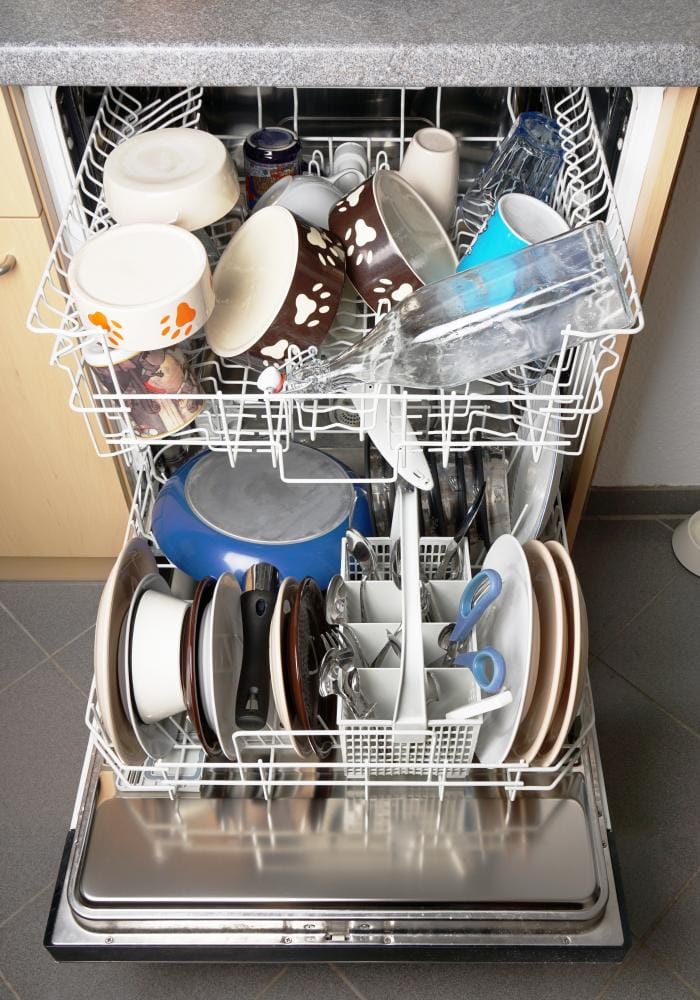
Lastly, verifying that the dishwasher is not overloaded and that items are correctly positioned can improve wash results. Airflow and water reach every item more effectively when loaded properly.
How to Fix a Dishwasher That’s Not Cleaning Properly
Why is my dishwasher not cleaning well anymore?
Here at Los Angeles Appliance Repair, we've encountered a multitude of scenarios where dishwashers lose their cleaning efficiency. A common reason is the buildup of food particles and soap scum in critical parts of the machine, like the filter and spray arms. Over time, these obstructions can significantly impede performance. Another key factor is water temperature. If the water isn't hot enough, it might not dissolve detergents effectively, leaving your dishes dirty. Additionally, hard water in Los Angeles can leave mineral deposits that affect cleaning power. Always ensure your water heater is set to at least 120 degrees Fahrenheit to combat this. If you’re curious about other potential issues, feel free to reach out, and we’d be happy to delve deeper.
How to fix a dishwasher that isn't cleaning?
To tackle a dishwasher that's failing to clean properly, start by cleaning its filter. The filter plays a crucial role in trapping food debris, and if it’s clogged, your dishwasher can’t perform at its best. Simply remove and rinse it under warm water monthly. Next, inspect the spray arms for any blockages. A simple cleaning with a toothpick or brush can make a significant difference. Consider running a cleaning cycle with a cup of white vinegar once a month to dissolve any internal grease and grime. Ensuring hot water at the start of each cycle and using a rinse aid can also enhance performance. These steps might just be the solution you need. What other appliance issues have you been dealing with?
Why are my dishes still dirty after the dishwasher cycle?
If you find your dishes still dirty after a cycle, it might be worth examining your loading technique. Overcrowding can block water and detergent from reaching all surfaces effectively. Also, check if the detergent dispenser is functioning correctly, as a malfunction can prevent proper cleaning. In our experience, using the right type of detergent for your water hardness can yield better results. Sometimes, upgrading to a formula specifically designed for hard water can make a noticeable difference. Finally, if all else fails, the issue might lie in a component like the spray arm or the inlet valve, and professional help could be the next step to consider. Have you adjusted your loading technique lately?
Why is my dishwasher leaving residue even after cleaning?
Residue after a cleaning cycle can be frustrating and often indicates a few specific issues. One key factor is the use of too much or too little detergent, especially if it’s not suited for the water hardness in your area. Experimenting with different detergents can sometimes resolve this. Hard water can also leave mineral residue on dishes, especially if your machine doesn’t rinse properly. A rinse aid can help in mitigating this problem by improving drying and reducing spots. Additionally, a clogged filter can prevent proper drainage, leading to leftover water and detergent deposits. Regular maintenance, such as cleaning the filter and running vinegar cycles, can help keep your dishwasher in peak condition. What's your regular dishwasher maintenance routine like?
What are some common dishwasher problems and how can they be fixed?
At Los Angeles Appliance Repair, we often address a range of common dishwasher issues. Drainage problems, for example, are usually caused by clogged filters or drain hoses. Keeping these parts clear of debris is vital. Leaks often stem from worn-out door seals or loose hose connections, which can usually be corrected with simple replacements or adjustments. If you’re dealing with unusual noises, this could be due to loose parts inside or imbalanced loads, while persistent noise may indicate a faulty motor. Noisy operations could require professional help to resolve. Regular maintenance and correct loading can prevent most of these problems. Have you ever encountered any unusual sounds from your dishwasher?
#### Resources for Dishwasher Maintenance and Repair Tips- U.S. Department of Energy – Energy Saver: Provides energy-saving tips for using dishwashers efficiently, including how to maximize cleaning performance while minimizing energy consumption. www.energy.gov
- Environmental Protection Agency – WaterSense: Offers information on how to deal with hard water and efficient water use, which is helpful for maintaining dishwashers and ensuring optimal performance. www.epa.gov
- National Institute of Standards and Technology: Provides resources about appliance standards and technology developments that can help homeowners understand the mechanics behind dishwashers and how to maintain them. www.nist.gov
- American Cleaning Institute: Offers extensive information about the proper use of cleaning products, including dishwashing detergents, and tips for keeping appliances like dishwashers running smoothly. www.cleaninginstitute.org
- Federal Trade Commission – Consumer Information: Provides consumer tips for appliance maintenance and repair services, helping you make informed decisions about professional repair versus DIY efforts. www.consumer.ftc.gov
- University of California Division of Agriculture and Natural Resources: Contains information on the effects of hard water and how it can impact household appliances, including dishwashers. www.ucanr.edu

