Basic Troubleshooting
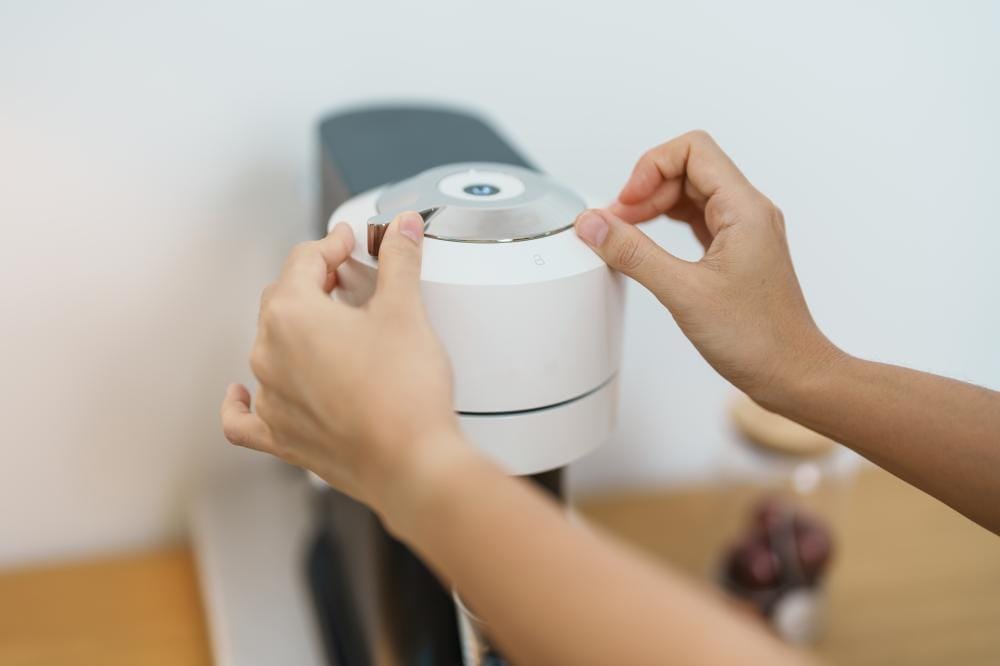
Here at Los Angeles Appliance Repair, we often find that simple solutions are the best when it comes to fixing a coffee maker that won’t brew. Start by ensuring the coffee maker is properly plugged in and the outlet is functioning. Next, perform a quick power cycle by turning the coffee maker off, then back on again. This often clears minor glitches.Check the alignment of all detachable parts. If your model has safety locks, improper alignment might prevent brewing. Also, inspect the filters. A clogged filter can stop brewing, so replace it if necessary. Keeping these basics in mind can often solve the problem.Finally, clean your coffee maker. Mineral buildup from hard water can clog the machine. Use a descaling solution tailored for coffee makers to remove this buildup every few months. White vinegar can work in a pinch, but it may damage seals and leave a lingering taste.
Addressing Blockages
Another common issue we see is a blocked water line. If fixing a coffee maker that won’t brew becomes urgent, check for obstructions. Remove the base to access the water lines and hoses. Once exposed, inspect for clogs and carefully clean any residue with soap and water.Don’t forget to examine the ball valve. This component allows water to flow one way. Shake it to test for movement or try blowing air through it. If blockage exists, clean or replace it. Your local appliance part store should have replacements if needed.Occasionally, bits of ground coffee find their way into the brew mechanism. These can cause minor blockages. Ensuring all components are thoroughly cleaned can prevent brewing issues. Mechanical faults may require a replacement part, but simple cleaning often suffices.
Electrical Fixes
When fixing a coffee maker that won’t brew, electrical issues sometimes come into play. First, consider the thermostat, which controls the heating element. A functioning thermostat should show continuity between 0-1 Ohm using a multimeter. If the measurement falls outside this range, a replacement may be necessary.Next, inspect the thermal fuse, which safeguards against overheating. Test it using a multimeter. If it reads above 1 Ohm, the fuse has likely blown. Replacing it involves finding a fuse with identical specifications and installing it in parallel.When in doubt, consider professional help. Our team at Los Angeles Appliance Repair has the expertise to diagnose and resolve any complex issues efficiently. Don’t let your morning coffee routine be disrupted.
Improving Coffee Taste
The flavor of your brew can be a good indicator of underlying problems. If you’re fixing a coffee maker that won’t brew and your coffee tastes off, it might be time for a deep clean or an adjustment in your brewing routine. Regularly clean the machine to prevent bitterness from residual oils and old coffee grounds.Experiment with your grind size and coffee-to-water ratio. The right balance can drastically improve flavor. Use fresh beans and store them properly to maintain quality. A well-maintained coffee maker ultimately delivers a better tasting coffee.Finally, always follow your coffee maker’s maintenance instructions. Adhering to manufacturer guidelines ensures optimal performance and prevents long-term issues.
Advanced Solutions
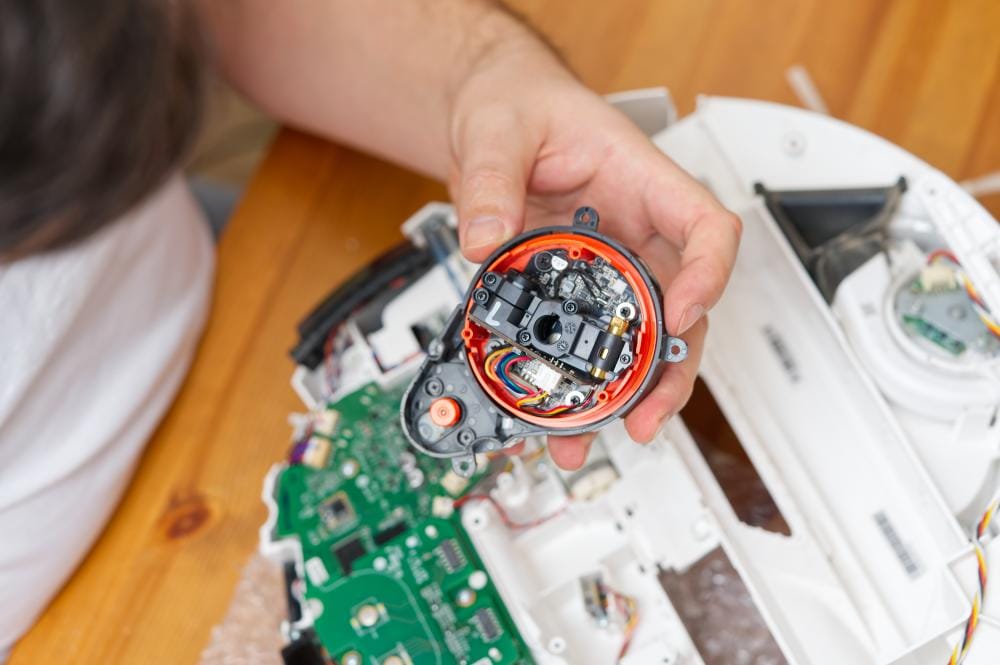
For advanced repair work, it’s pivotal to have the right tools and skills. Fixing a coffee maker that won’t brew sometimes requires dismantling the unit. Ensure you have detailed schematics or consult with an expert before proceeding.Models with advanced technology might have unique troubleshooting protocols. Always consult the user manual for specific guidance and part numbers. If repairs seem daunting, it’s best to contact a professional service like ours. With decades of experience in appliance repair, we ensure your coffee maker returns to perfect working order. We are always here to help when DIY solutions fall short.

Understanding Coffee Maker Repair
Coffee makers are essential in many households, brewing the perfect cup of coffee every morning. At Los Angeles Appliance Repair, we recognize how frustrating it can be when something goes wrong. Our team has extensive experience with Coffee Maker Repair, offering solutions that are both effective and efficient.Whether your device is leaking, not heating adequately, or simply refusing to brew, understanding the root cause is crucial. Often, the problem lies in the water supply or electrical connections, but it could also be due to mineral buildup. Diagnosing these issues requires expertise, which our technicians provide with precision.
Common Issues with Coffee MakersThe most frequent problems in Coffee Maker Repair involve heating elements and blockages. Heating elements, particularly in older models, can wear out over time, resulting in lukewarm coffee. To address this, our team conducts thorough inspections and replaces elements if necessary.Blockages are another common issue, often caused by accumulated coffee grounds or mineral deposits. Regular cleaning is essential to prevent these blockages. When you bring your machine to us, we ensure all parts are clear and functional, safeguarding future performance.Sometimes, Coffee Maker Repair might involve addressing faulty wiring or electrical components. This requires careful handling, and our technicians are trained to manage these repairs safely and effectively.
Tips for Maintaining Your Coffee Maker
Regular CleaningMaintaining your coffee maker involves more than just repairs. Regular cleaning, especially descaling, plays a vital role in extending its lifespan. By using a mixture of water and vinegar, you can effectively remove mineral deposits that compromise performance.Make it a habit to clean the filter basket and water reservoir weekly. This simple routine will not only improve your coffee’s taste but also reduce the frequency of repairs. When you partner with Los Angeles Appliance Repair for maintenance, we provide tips tailored to your machine model.
Use Quality IngredientsAn often overlooked aspect of Coffee Maker Repair is the quality of water and coffee used. Hard water can contribute to lime scale buildup, and low-quality coffee grounds might clog the system. Opting for filtered water can prevent these issues, keeping your coffee maker running smoothly.
Choosing the Right Professional
Finding the right expert for Coffee Maker Repair is essential for reliable service. At Los Angeles Appliance Repair, our technicians undergo rigorous training to stay updated with the latest technologies and repair techniques. We pride ourselves on delivering quality service, ensuring every repair meets high standards.Transparency is key. From diagnosing issues to providing quotes, we maintain open communication with our clients. This commitment to integrity ensures that you’re never in the dark about your appliance’s condition or repair cost.
When to Consider Replacement
While our team excels at Coffee Maker Repair, there are times when replacing the appliance might be more cost-effective. Persistent issues, especially with older models, can lead to frequent repairs that add up over time. We provide honest assessments to help you make informed decisions.If your coffee maker is over a decade old or repair costs approach the price of a new unit, it might be time to explore new options. Our team can guide you through the latest models, offering recommendations that suit your preferences and budget.Coffee Maker Repair is an evolving field, and staying informed is crucial. With Los Angeles Appliance Repair, you gain access to knowledgeable professionals who are dedicated to preserving the quality and convenience of your kitchen appliances.
Challenges in Brewing
As someone who works predominantly in appliance repair, my foray into brewing is more of a personal passion. Yet, I’ve found that understanding the intricacies of brewing problems can surprisingly mirror what our team at Los Angeles Appliance Repair tackles daily. One of the primary challenges in brewing comes from maintaining the right temperature. Consistent temperatures are crucial in brewing processes, much like they are when repairing a refrigerator. If the brewing temperatures fluctuate, the wort may not ferment properly, causing significant brewing problems.Another frequent issue that can derail the brewing process is poor sanitation. At Los Angeles Appliance Repair, we understand the importance of maintaining cleanliness when working on appliances. Likewise, cleanliness in brewing is paramount to prevent off-flavors caused by contaminants. It’s essential to ensure all brewing equipment is thoroughly sanitized. I’ve learned that using a brewing-specific sanitizer can be a game-changer, akin to using the right tools in appliance repair.
The Impact of Ingredients
Brewing problems often arise from the ingredients used. Just like in appliance repair, the right parts can make or break a repair. Freshness and quality are key. Using fresh, properly crushed grains can influence the final product significantly. Poor mash efficiency can lead to a weak beer, paralleling when subpar components diminish an appliance’s performance.In addition to grains, yeast vitality plays a critical role. Without healthy yeast, the fermentation process may stall, resulting in brewing problems that can be compared to an appliance malfunctioning due to a faulty part. Adding an adequate amount of oxygen during the brewing process can also support yeast health, fostering a successful fermentation.Lastly, balancing your hops and other ingredients correctly affects the flavor and aroma. This can be likened to finding the right balance when calibrating an oven’s heating elements.
Addressing Carbonation Issues
Carbonation is often a tricky aspect of brewing. This reminds me of ensuring that ventilation hoods work correctly to manage airflow and prevent kitchen smoke. In brewing, both over-carbonation and under-carbonation present their own set of challenges. Excess carbonation leads to excessive foam, whereas a lack of carbonation results in a flat taste.Precision in measuring sugar levels is vital to achieving perfect carbonation. Using calculators can help achieve the right balance, similar to how we use diagnostic tools to ensure appliances run smoothly. Patience is also crucial, as carbonation can take several weeks to develop fully.
Common Flavor Issues in Brewing
Weak flavors and aromas represent some of the common brewing problems, not unlike when a stovetop doesn’t distribute heat evenly. These issues can arise from various factors, including improper yeast selection and temperature control.In brewing, the choice of yeast strain influences the final product’s taste and aroma. Selecting the wrong strain is much like using an incompatible spare part in appliance repair. Each decision impacts the overall outcome. The depth of flavor also hinges on the balance of ingredients, akin to ensuring an oven heats evenly for proper baking.Bacterial contamination can also lead to off-flavors, highlighting the importance of meticulous sanitation practices, much like how we clean components to ensure optimal appliance performance.Understanding these nuances enriches both the brewing experience and our commitment at Los Angeles Appliance Repair. Tackling brewing problems or appliance malfunctions requires persistence, patience, and a keen eye for detail. By recognizing these parallels, we enhance our service and create a deeper understanding of both crafts.

Why is my coffee maker turning on but not brewing?
At Los Angeles Appliance Repair, we often encounter coffee makers that power on but refuse to brew. In many cases, this issue can be traced back to something as simple as a clogged water line or a malfunctioning heating element. Imagine rushing to start your day with that perfect cup of coffee only to find your machine buzzing but not delivering. Often, the culprit is mineral buildup or a blockage in the water lines, which can be resolved by a thorough cleaning. Also, double-check the alignment of all detachable parts; misalignment can prevent brewing. If the problem persists, it might be an electrical issue such as a faulty thermostat or thermal fuse, requiring professional attention. Have you checked if your machine’s safety locks are properly engaged?
How to fix a coffee maker that won’t brew?
We understand how vital that morning brew is, and when your coffee maker isn’t cooperating, it can be frustrating. Start with the basics: ensure it’s plugged in, the outlet is functioning, and try a quick power cycle. Cleanliness plays a huge role; mineral buildup from hard water can block your machine. Use a descaling solution to clear any obstructions. Check the water line and ball valve for blockages, and ensure the filter is clean or replaced if it’s clogged. If you’re familiar with using basic tools, inspect the electrical components, such as the thermostat and thermal fuse, with a multimeter. Remember, simple cleaning and alignment often solve the issue, but when in doubt, reach out to professionals like us for assistance and peace of mind.
Why is coffee not coming out of my machine?
Picture this: you prep your coffee maker, hit the button, and… nothing. It’s a common scenario that users face. Often, coffee not coming out is due to blockages. Coffee grounds or mineral deposits can obstruct the water flow, an issue we frequently address at Los Angeles Appliance Repair. Descaling and thoroughly cleaning the machine, especially the brew mechanism, can often solve the problem. Also, ensure that the water reservoir is filled and properly seated. If you notice the issue persists, it might be worth examining the water pump or checking for leaks that could affect brewing. You could also consider your coffee grind size; it should not be so fine that it clogs the filter. Have you tried using a different blend or grind size to rule that out?
What is the common problem of a coffee machine?
From our extensive experience at Los Angeles Appliance Repair, common issues with coffee makers often boil down to electrical faults, blockages, or heating element failures. Many of these problems are preventable with regular maintenance. Blockages from coffee grounds or mineral deposits can stop the brewing process altogether. Keeping the machine clean and using filtered water can go a long way in preventing these issues. Heating elements can wear out over time, especially in older models, leading to lukewarm coffee. Electrical issues, while more complex, are frequently caused by faulty thermostats or blown fuses. Regular inspections and timely repairs are key to avoiding serious malfunctions. How often are you performing maintenance on your coffee maker?
What other repair issues might affect brewing problems?
Brewing issues can be surprisingly interconnected with various repair challenges. A malfunctioning water pump can lead to inadequate water flow, affecting not just the brew quality but also the machine’s overall function. Poor sanitation and the resulting bacterial growth can introduce off-flavors into your coffee. We’ve seen cases where high mineral content in water leads to scale buildup, affecting not just the coffee maker but also appliances like kettles and dishwashers. Additionally, using poor-quality coffee beans or an incorrect grind size can also impact the performance of your coffee maker. It’s all about balance—maintaining the right settings, using quality ingredients, and keeping everything clean. Have you considered how your water quality might be impacting your coffee maker’s performance?#### Resources for Coffee Maker Troubleshooting and Repair
Resources for Coffee Maker Troubleshooting and Repair
- Federal Trade Commission (FTC) – The FTC offers guidance on consumer rights and general appliance maintenance, helping you understand your warranty and repair options.
- Energy Star – Energy Star provides insights into energy-efficient appliances, which can help in selecting long-lasting coffee makers that require fewer repairs.
- National Institute of Standards and Technology (NIST) – NIST offers scientific and technical guidance on various technologies, including electrical safety standards which can be relevant to diagnosing electrical issues in appliances.
- USA.gov – A comprehensive resource for official government services and information, including general appliance maintenance tips and consumer protection.
- Florida Public Service Commission (FPSC) – While primarily focused on utilities, the FPSC offers advice on energy conservation and appliance efficiency which can help in proper appliance maintenance.