Act Swiftly to Prevent Damage
Having faced an overflowing washing machine myself, I can attest to the urgency of the situation. When you encounter a washing machine overflow, immediately turn it off. This prevents further water from being released and causing additional damage.Unplugging the machine is crucial for safety, as it eliminates the risk of electrical shock. Make sure to act quickly to prevent unnecessary damage to your home. Overflowing water can seep into the floors and walls, leading to mold or structural issues if left unattended.
Before diving into the cleanup, you’ll need the right tools. Personally, I’ve found that having a wet-dry vacuum and absorbent towels on hand makes the process more efficient. These tools are essential for removing water quickly and effectively.If a wet-dry vacuum is unavailable, use towels and a mop to soak up the water. In some cases, a fan or dehumidifier can aid in drying the area, reducing the risk of mold formation. Ensuring the area is thoroughly dry is key to salvaging affected materials.
Remove Water and Assess Damage
Once you’ve addressed the immediate overflow, remove the standing water from the surrounding area. This step is critical to prevent long-term water damage. I always recommend inspecting the machine itself to check for residual water.Assessing the damage early allows you to identify affected areas and materials. If water has spread to other rooms, be proactive in cleaning and drying those spaces too. This ensures that you can handle an overflowing washing machine before it causes damage effectively.During my years at Los Angeles Appliance Repair, I’ve learned that prompt action can save homeowners from costly repairs. Being diligent at this stage reduces future headaches.
Examine Your Washing Machine
After handling the initial crisis, it’s essential to examine your washing machine for any underlying issues. We often find that simple problems, like blocked drains or broken hoses, can lead to overflow incidents.Inspecting the hoses and connections gives you insights into potential causes of the overflow. If parts seem damaged or worn, consider replacing them. Ensuring that your machine’s components are in good condition prevents future overflows.Additionally, consider scheduling a professional assessment. At Los Angeles Appliance Repair, we provide skilled technicians who can identify and fix issues efficiently.
Implement Preventive Measures
Knowing how to handle an overflowing washing machine before it causes damage involves more than just reacting to issues. It’s vital to implement preventive measures to safeguard against future incidents.Regular maintenance checks and cleaning the lint trap helps in keeping your washing machine in top shape. Moreover, ensure that the drain hose is properly attached and that your home’s plumbing can handle your machine’s discharge rate.By following these steps, you can mitigate the risks associated with overflowing washing machines and maintain a safe, functional laundry environment.

Understanding Overflow Causes
Here at Los Angeles Appliance Repair, we’ve often seen that preventing washing machine overflow begins with understanding the root causes. Commonly, this issue arises due to blocked drains. Over time, lint, dirt, and debris accumulate, obstructing the water’s path. This build-up can lead to backups, causing the machine to spill over.Another frequent culprit for washing machine overflows is a faulty water inlet valve. If this valve fails to close properly, it can result in continuous water filling, eventually leading to an overflow. Regular checks and maintenance of this valve can be a simple yet effective measure in reducing the risk.Moreover, overloading your washing machine is a significant factor that contributes to overflow issues. When too much laundry is crammed in, it disrupts the balance, causing excessive movement and potentially loosening hoses or connections. Such disruptions can easily lead to leaks and subsequent overflow.
Steps to Prevent Overflows
Preventing washing machine overflow involves a few strategic but straightforward actions. Begin by ensuring proper installation of the machine. The drain hose should be correctly positioned and secure at all times. A misplaced drain hose can lead to leakage and overflow.Remember to regularly clean out the lint traps. This practice helps maintain clear drainage paths, ensuring water exits the machine without impediment. Cleaning might seem like a minor task, but it makes a significant difference in preventing overflow.Our team also advises against the temptation to over-stuff your washing machine. While reducing laundry loads can save time, it often results in inefficient washing and increased stress on the appliance. Adhering to the manufacturer’s load guidelines can prevent unnecessary wear and tear, minimizing overflow risks.
Choosing the Right Detergent
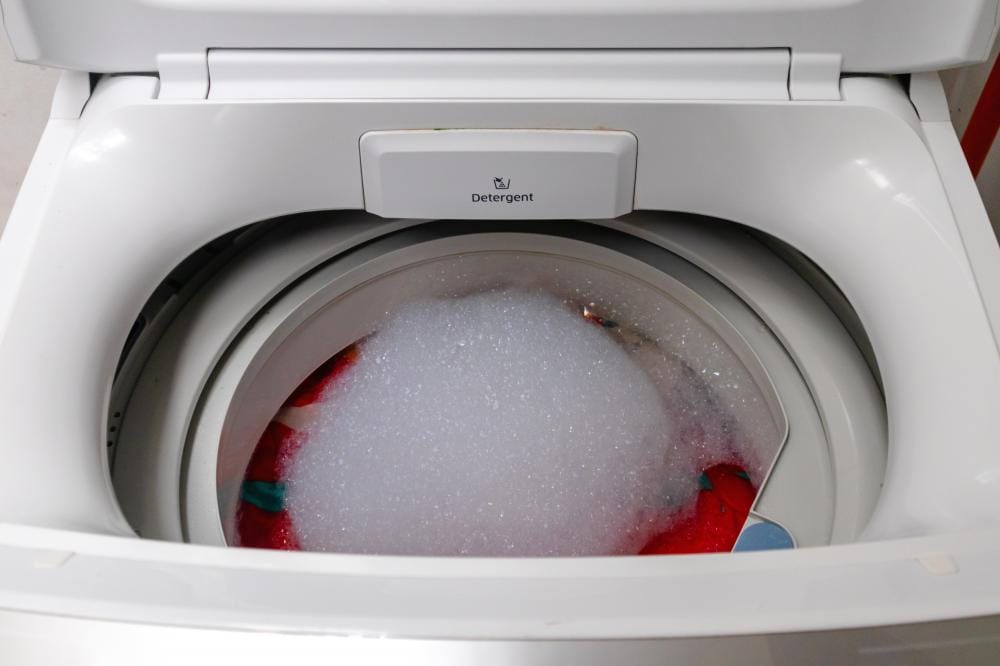
Detergent selection plays a more vital role than many realize in preventing washing machine overflow. High-efficiency washing machines require specific detergents that produce fewer suds. Excessive suds can cause overflow by disrupting the washing cycle.Check your washing machine’s manual for detergent recommendations. Using the wrong type or too much detergent can be counterproductive, leading to overflow and potentially damaging the machine. Suds can trick sensors, causing them to malfunction, which may result in overflow.
Maintenance and Regular Checkups
Preventing washing machine overflow includes regular maintenance and checkups. Routine inspections of hoses for cracks or leaks are crucial. Hoses should be replaced every five years to ensure they are in mint condition. Even if they appear functional, degradation might not be visible on the surface.Keep an eye on the water pressure. Low water pressure may hinder the inlet valve’s function, leading to overflow risks. Ideally, the pressure should stay above 20psi to enable the valve to shut off correctly. Address any issues with water pressure promptly to mitigate overflow concerns.
What to Do in Case of an Overflow
When an overflow occurs, acting swiftly can prevent further damage. First, turn off the power to avoid electrical hazards. Disconnect non-fixed items from the affected area and remove standing water using a wet/dry vacuum or mop.If you suspect that water has penetrated floors or walls, consult a professional restoration service. Our expertise at Los Angeles Appliance Repair is at your disposal to address water damage and restore your home efficiently.Remember to document any damage for insurance purposes. This documentation is vital if you need to file a claim, and it also provides a clear scope of work for repair professionals.
Understanding Emergency Water Shut-Off for Washing Machines
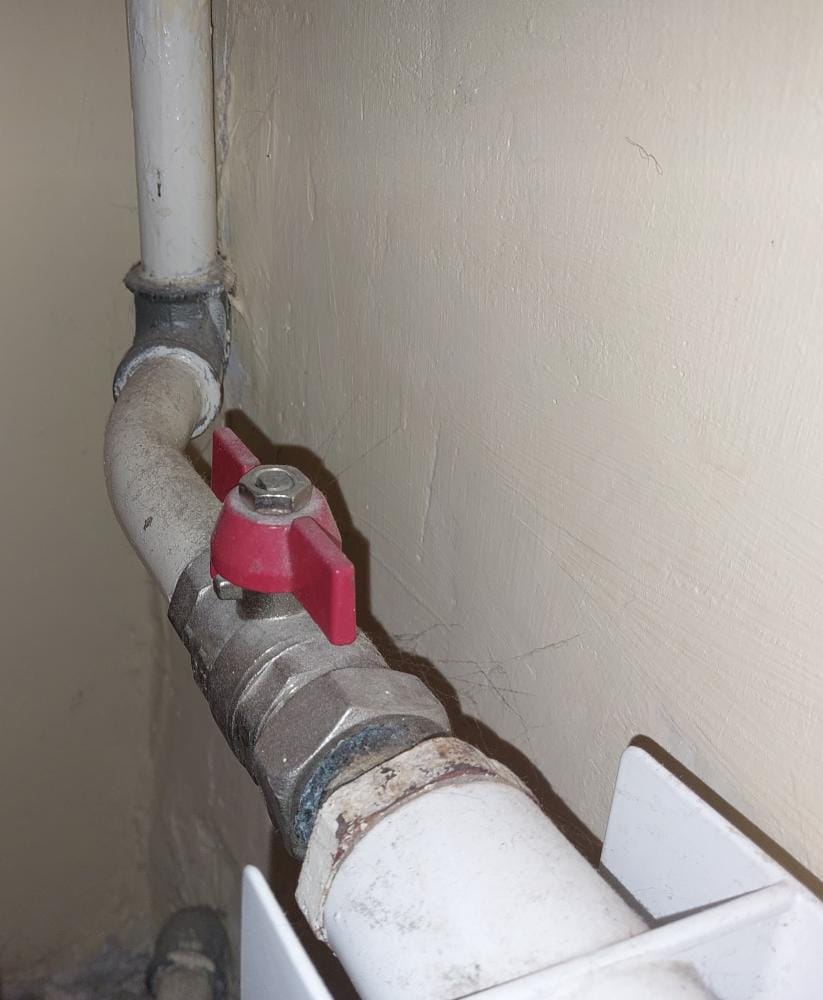
At Los Angeles Appliance Repair, we’ve dealt with numerous cases where quick action made the difference between a minor inconvenience and a major disaster. Emergency water shut-off for washing machines is crucial in preventing potential water damage. A burst hose or a faulty valve can quickly flood your laundry area. When faced with such situations, knowing how to stop the water flow is imperative.Emergency water shut-off for washing machine systems can vary, depending on the model and age of your appliance. Newer machines may have built-in features designed to detect leaks and automatically stop water flow. However, older models may require manual intervention. Therefore, ensuring you are familiar with your system can save time and reduce stress during emergencies.Learning the ins and outs of your appliance’s water shut-off system not only equips you for emergencies but also encourages proactive maintenance. Regularly check hoses for wear and ensure shut-off valves function correctly. Furthermore, incorporating a routine inspection into your maintenance schedule can prevent unforeseen issues.
Installing an Emergency Water Shut-Off System
While some washing machines come with integrated shut-off systems, others may benefit from an added layer of protection. Installing an emergency water shut-off for washing machines involves setting up sensors to detect leaks and promptly cut off water supply. These systems, like the FloodMaster RS-090-E, are user-friendly and provide peace of mind.Installation typically involves placing sensors in strategic positions, such as under your washing machine. They should be near potential leak points. Water shut-off sensors detect moisture and activate the shut-off valve, halting water flow. It’s a quick and efficient solution to prevent water-related disasters.We recommend having a licensed plumber handle the installation. Professional installation ensures that all local regulations and codes are met. It also guarantees that the system is set up effectively. Remember, this investment in safety can prevent extensive damage and costly repairs down the line.Consider opting for a system with user-friendly features like easy resets and manual override options. These features enhance usability, making it simpler to manage unexpected leaks if they occur.
Regular Maintenance and Inspection
Regular maintenance is key to ensuring the longevity of your washing machine and its shut-off system. At Los Angeles Appliance Repair, we emphasize the importance of frequent inspections. This helps in early detection of wear and tear.Start by examining hoses for cracks or bulges. These are common signs of wear. Inspect the emergency water shut-off for washing machine valve to make sure it functions without glitches. It’s wise to turn the valve on and off occasionally. This keeps it from sticking due to lack of use.
Expert Tips for Homeowners
From our years of experience, we’ve gathered invaluable insights into managing and maintaining washing machines. An emergency water shut-off for washing machine setup is just the beginning. Homeowners should consider keeping a close eye on their units.Position your washing machine such that it is easy to reach the emergency water shut-off system. This enables swift action during emergencies. Engage professionals for regular maintenance checks and seek advice on improving your setup.Finally, be proactive. Understand that small investments in safety equipment and maintenance can save you from large expenses related to potential water damage. By implementing these measures, you’re not only protecting your washing machine but also safeguarding your home.

What to do if your washing machine overflows?
When confronted with an overflowing washing machine, the first step is to turn off the power to the machine to eliminate any risk of electrical shock. This can be done by unplugging the unit or turning off the circuit breaker connected to your laundry area. Safety first! Then, quickly gather absorbent towels or use a wet-dry vacuum to remove as much water as possible to prevent it from seeping into your floors or walls, which can lead to mold or structural damage. It’s crucial to act fast to minimize the aftermath.Once the immediate crisis is handled, assess the area for any long-term water damage. Check nearby rooms and spaces for water that may have spread. It might be a good idea to use a dehumidifier or a fan to dry out the area completely. If you’re unsure about the extent of the damage or if the water has reached hidden spaces, consider consulting with a professional.Have you ever experienced a similar situation? What steps did you take to manage it effectively?
What happens if you overfill your washing machine?
Overfilling your washing machine can lead to a slew of problems that extend beyond just an overflow. When there’s too much laundry crammed into the drum, it can upset the balance of the machine, causing it to vibrate excessively and even disrupt internal components like hoses or connections, which can lead to leaks.Moreover, an overloaded machine doesn’t clean clothes effectively. Detergent and water are unable to circulate properly, which means your clothes might not be as clean as you’d expect. In terms of wear and tear, overloading accelerates the degradation of your washing machine’s parts, increasing the likelihood of future malfunctions.If you’re unsure about how much your machine can handle, refer to its user manual for the manufacturer’s load guidelines. This simple step can help prevent a lot of frustration down the line.What do you consider when determining the ideal load size for your washing machine?
How to prevent washing machine flooding?
Preventing washing machine flooding is all about proactive maintenance and careful usage. First, ensure your washing machine is correctly installed, with the drain hose securely positioned to avoid leaks. Regularly check the hoses for any signs of wear and replace them every five years as recommended, even if they seem fine. This precaution prevents unexpected bursts.Cleaning the lint traps and checking for blockages in the drainage path is crucial. Blocked drains are a common cause of overflow, and regular maintenance can prevent this. Additionally, choose the right detergent for your machine; high-efficiency machines require specific low-suds formulas to function correctly. Excessive suds can disrupt the wash cycle and lead to overflow. Lastly, avoid overloading your machine, as this can cause structural strain and operational inefficiencies.Do you have a regular maintenance schedule for your washing appliances? If not, what prevents you from setting one up?
Can overloading a washer cause it to overflow?
Absolutely, overloading a washing machine is one of the leading causes of overflow. When a washer is crammed with too many clothes, it disrupts the machine’s balance and can cause the drum to tilt. This misalignment may affect the hoses and connections, leading to leaks and potential overflow.The excess weight can also strain the motor and the suspension system, potentially leading to more serious mechanical failures over time. Your washing machine is designed to hold a specific amount of laundry, and consistently exceeding this amount will take a toll on its components, diminishing its lifespan.To prevent overloading, get acquainted with your washer’s drum capacity and avoid the temptation to fit in “just one more item.” Remember, a well-balanced load ensures better cleaning results and prolongs the life of your machine.Have you considered the impact of load size on the longevity and performance of your washing machine?
How to install an emergency water shut-off system?
Installing an emergency water shut-off system offers a valuable line of defense against potential water damage in your laundry area. These systems are particularly useful for homeowners with older machines lacking built-in leak detection. A typical installation involves setting up moisture sensors near potential leak points under or around the washing machine.When the sensors detect moisture, they automatically trigger the shut-off valve, stopping the water flow to prevent further flooding. Products like the FloodMaster RS-090-E are user-friendly and can be highly effective. We always recommend having a licensed plumber handle the installation to ensure compliance with local regulations and proper setup.Once installed, familiarize yourself with its operations. Systems with manual override and easy reset features offer more control during emergencies. Investing in the right system can avert extensive damage and costly repairs, making it a smart choice for peace of mind.Have you considered installing such a system, and if so, what features do you prioritize in a water shut-off solution?#### Resources for Washing Machine Overflow and Maintenance
Resource Section
- Ready.gov – Ready.gov offers comprehensive information on emergency preparedness, including steps to take in case of water-related emergencies like washing machine overflows.
- American Red Cross – The American Red Cross provides valuable resources on home safety and emergency preparedness, helping you to respond efficiently to household flooding incidents.
- U.S. Environmental Protection Agency (EPA) – The EPA provides guidance on water conservation and management, including tips on maintaining home appliances to prevent water wastage and damage.
- U.S. Consumer Product Safety Commission (CPSC) – CPSC offers safety alerts and product recalls, including appliances, ensuring your washing machine and other household equipment are safe to use.
- U.S. Army Corps of Engineers – The U.S. Army Corps of Engineers provides resources on flood risk management, which can be useful in understanding and mitigating household flooding risks.
- National Fire Protection Association (NFPA) – NFPA offers guidelines and resources on electrical safety, which are essential when dealing with the risks of electrical shocks from appliance overflows.