

Understanding the Source of Odor
In my experience, one of the most common reasons for a smelly dishwasher is trapped food particles. These remnants can end up stuck in the filter or around the spray arms. Over time, they start to rot, leading to unpleasant odors. When addressing how to keep your dishwasher smelling fresh & running efficiently, always start with cleaning these components.
Another factor could be the accumulation of soap scum and grease. These residues can line the walls and racks of the dishwasher, providing a breeding ground for bacteria and mold. I have found that addressing these issues as soon as they arise can significantly improve your dishwasher’s fragrance.
Natural Cleaning Methods
One simple technique I recommend is running a cycle with vinegar and baking soda. Start by pouring white vinegar into a bowl and placing it on the top rack. Run a full cycle with hot water. This helps to dissolve grease and remove odor. For stubborn smells, sprinkle baking soda on the bottom and run another cycle. This can be a lifesaver when you’re figuring out how to keep your dishwasher smelling fresh & running efficiently.
Baking soda acts as a deodorizer, while vinegar cuts through grime. Both are natural and safe options. During my years in appliance repair, I’ve seen these methods work wonders without the need for harsh chemicals.
Don’t forget to clean the rubber seals. Mold and bacteria often hide in these areas. A mixture of equal parts water and vinegar makes an effective cleaning solution. Use a soft brush or cloth to scrub around the seals, ensuring no residue remains.
Regular Maintenance and Checks
To keep your dishwasher running smoothly, regular maintenance is vital. I suggest checking the filter weekly. Remove it and rinse under hot water. Use a brush to clear any clogs. This quick step makes a huge difference in efficiency and freshness.
Similarly, inspect the spray arms. Food debris can block the water jets, preventing proper cleaning. Using a toothpick or small brush, clean out any food particles. Performing these checks ensures your dishwasher operates at its best, extending its lifespan.
Running the dishwasher empty with a dedicated cleaner every few months also helps. It keeps internal parts free from limescale and mineral deposits. Not only does this maintain performance, but it’s a key aspect of how to keep your dishwasher smelling fresh & running efficiently.
Lastly, listen for unusual noises. They might indicate a mechanical issue. If something sounds off, it's best to address it promptly. Early intervention can save time and repair costs down the line.
Best Practices for Long-term Efficiency
When it comes to best practices, never overload your dishwasher. This compromises cleaning and contributes to odors. Always scrape food off plates before loading.
Using a rinse aid can aid in drying, preventing moisture accumulation that leads to mold growth. If possible, leave the door slightly open after a cycle to let residual steam escape.
Avoid running the dishwasher with other hot water appliances simultaneously. This ensures that the dishwasher has sufficient water pressure and temperature, part of keeping it running efficiently.
When to Seek Professional Help
There are times when DIY methods might not suffice. If your dishwasher still smells after all efforts, it might be time to call in the experts. At Los Angeles Appliance Repair, we have encountered various stubborn issues that require professional handling. Our trained technicians know how to keep your dishwasher smelling fresh & running efficiently, even when challenges arise.
Persistent mechanical issues might need professional diagnosis. Sometimes, the problem lies deeper, such as in the plumbing lines or internal components. For lasting results, a professional touch ensures your appliance stays in excellent condition.
Regular Cleaning
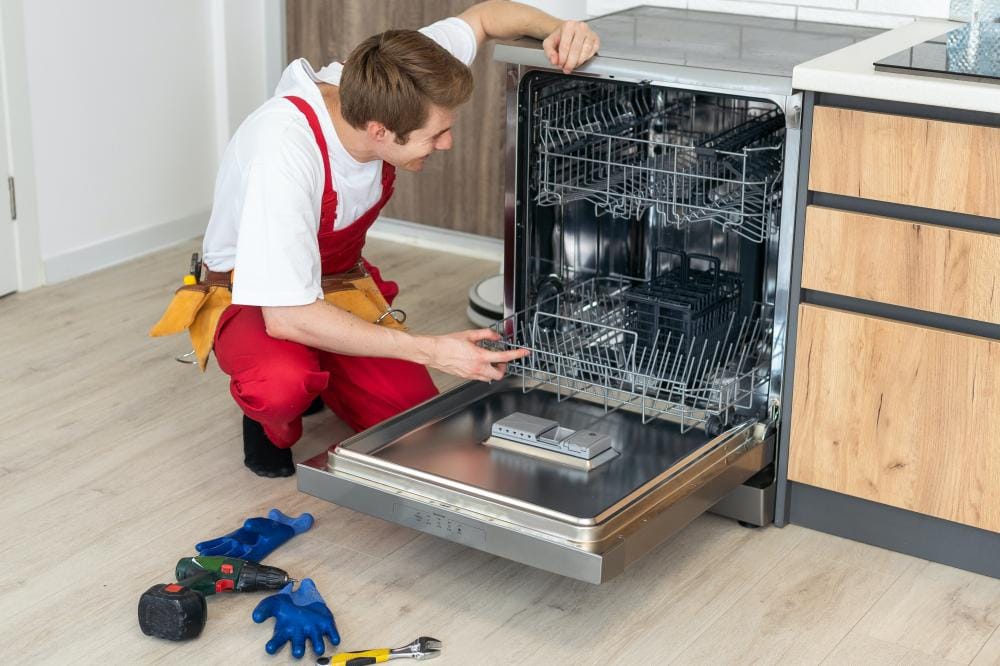
At Los Angeles Appliance Repair, we’ve seen firsthand the benefits of regular dishwasher maintenance. Ensuring that your dishwasher remains in pristine condition starts with frequent cleaning. Dust and particles can accumulate over time, leading to inefficiencies. This is why keeping the filters and spray arms clean is crucial.
A simple rinse of the filter under warm water can work wonders. Just make sure to do this once a month. The spray arms also require attention. Remove them periodically and ensure their nozzles are clear of blockages. Utilizing a toothpick helps dislodge any debris, maintaining optimal performance.
Running a cycle with a cup of vinegar can help eradicate odors and mineral deposits. It’s a natural and effective solution we recommend to all our clients.
Correct Product Usage
Many dishwasher problems stem from using inappropriate cleaning products. Always opt for detergents designed specifically for dishwashers. This prevents excessive suds that can harm the machine. We often advise clients to check their water hardness too. This can affect how much detergent is necessary for each wash cycle.
- Use dishwasher-specific detergents.
- Adhere to manufacturer guidelines regarding detergent quantity.
- Check water hardness for optimal detergent usage.
Following these dishwasher maintenance tips ensures your appliance operates efficiently.
Loading Tips
Loading the dishwasher correctly is a small step with substantial impact. A common oversight is overcrowding, which hampers cleaning efficiency. Dishes need space for water and detergent to reach every corner. Our technicians frequently remind customers to avoid blocking the spray arms with large items.
It's about balance and technique. Place utensils facing upwards, but avoid nesting them. Ensure dishes are angled correctly, preventing water from pooling. These minor adjustments have lasting benefits, contributing to effective dishwasher maintenance tips.
Maintenance Cycles
Beyond regular use, it's beneficial to run maintenance cycles. Some modern dishwashers include this feature. It aids in cleaning and descaling, keeping the machine in peak condition. If absent, a hot water cycle with a cleaner or vinegar serves the same purpose.
Regular maintenance reduces the need for repairs. By implementing these dishwasher maintenance tips, you can extend the lifespan of your appliance significantly. At Los Angeles Appliance Repair, we always emphasize the importance of consistent care.
Professional Servicing
No matter how meticulous one might be, there’s always value in professional servicing. At Los Angeles Appliance Repair, we recommend annual check-ups. Our technicians can identify potential issues before they escalate, saving time and money.
Additionally, professional maintenance reassures homeowners. Knowing an expert has assessed the appliance brings peace of mind. Regular check-ins with professionals keep your dishwasher running smoothly and efficiently.
By following these dishwasher maintenance tips and occasionally consulting with experts, you ensure longevity and reliability for your appliance. It's an investment well worth making.
Understanding the Role of Vinegar
At Los Angeles Appliance Repair, we've discovered that cleaning dishwashers with vinegar is highly effective. Vinegar's acidic nature breaks down grease, food residue, and mineral deposits. This powerful cleaning agent helps maintain your dishwasher's optimal performance.
However, caution is necessary. Vinegar’s acidity can damage rubber seals and gaskets if directly applied. By using vinegar correctly, you can enhance the longevity of your dishwasher. Proper technique is crucial to avoid potential damage.
Benefits of Using Vinegar
Cleaning dishwasher with vinegar offers several advantages. It not only cleans but also sanitizes the appliance. This simple solution eliminates bacteria and mildew, ensuring each wash is hygienic.
Moreover, the method's simplicity appeals to many homeowners. No special tools are needed, just common household items. Yet, the results speak volumes, leaving a sparkling dishwasher every time.
Step-by-Step Guide to Cleaning
To clean a dishwasher with vinegar, start by emptying it completely. Place a dishwasher-safe cup filled with vinegar on the top rack. Run the dishwasher on the hottest cycle without any detergent. This process washes away grime effectively.
After the cycle, check the filter. Remove any large debris and clean it with soapy water. Regular maintenance like this prevents larger issues down the line. Repeat this vinegar cleaning every few weeks for best results.
Best Practices and Tips
For optimal results when cleaning a dishwasher with vinegar, ensure the dishwasher is empty before starting. Avoid mixing vinegar with other cleaning agents. This could cause unwanted reactions.
Avoid direct contact of vinegar with rubber parts. Instead, clean these areas with a mild soapy cloth. Keep an eye out for any loose particles around the filter and dispose of them promptly.
Utilize this method as part of a regular cleaning routine. Consistent care will yield a durable and efficient dishwasher. Your appliance's performance will be noticeably enhanced over time.
Alternative Cleaning Options
If vinegar isn't suitable, consider other methods. Baking soda offers a gentle, effective alternative. Sprinkle it in the bottom of your dishwasher, then run a hot cycle. This method also helps break down stubborn build-up.
For more stubborn stains or lingering odors, try using lemon juice. Its acidic properties are similar to vinegar. Plus, it leaves a fresh scent, making your dishwasher smell wonderful.
How can I get my dishwasher to stop smelling?
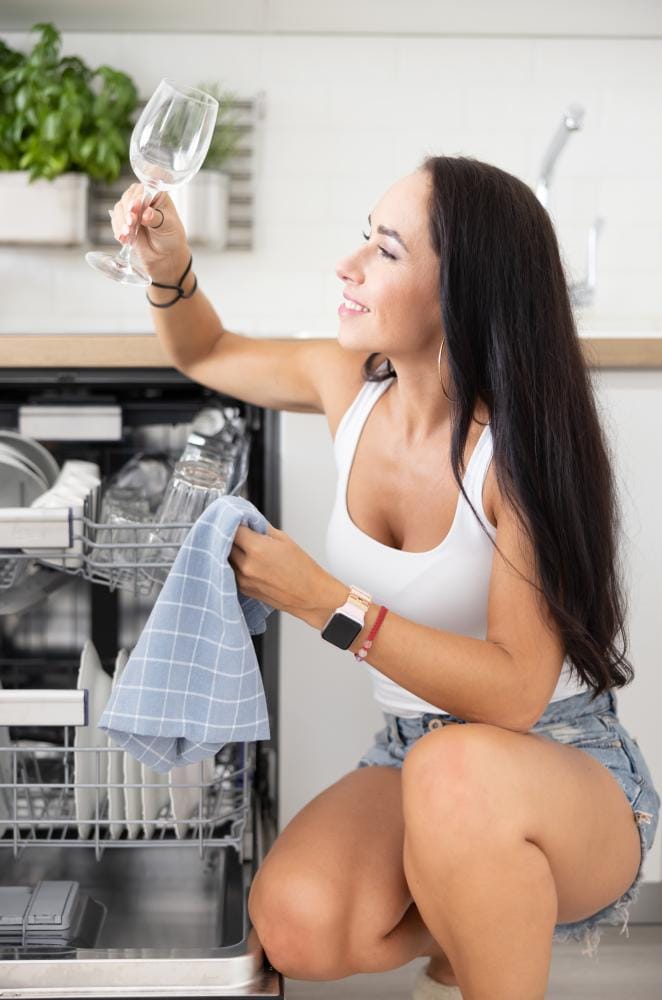
At Los Angeles Appliance Repair, we've seen how persistent odors can be a nuisance in dishwashers. To tackle this, start by investigating the source of the odor. It's typically due to trapped food particles in the filter or spray arms. Begin by cleaning these components with a soft brush and hot water.
Use natural cleaning methods like running a cycle with white vinegar and baking soda; vinegar will dissolve grease and baking soda acts as a deodorizer. Always remember to clean the rubber seals where mold can accumulate. A simple mixture of equal parts water and vinegar works wonders here.
If the smell persists, it might be a sign of a deeper mechanical issue that requires professional attention. We recommend regular maintenance checks to prevent these problems from escalating. By following these steps, you'll keep your dishwasher smelling fresh and running efficiently.
How do I freshen my dishwasher?
Freshening up your dishwasher is simpler than it might seem. From our extensive experience, one of the easiest ways to start is by running an empty cycle with a cup of white vinegar placed on the top rack. This removes any buildup of soap scum and grease, which are common culprits for bad odors.
For stubborn odors, follow this with another cycle, sprinkling baking soda on the bottom of the machine. This combination effectively deodorizes the interior without relying on harsh chemicals. Additionally, inspect the filter and spray arms regularly; removing any food debris will prevent the accumulation of smells.
Another great tip is to always leave the door slightly open after a cycle. This allows steam to escape and prevents moisture buildup, which can lead to mold growth. By incorporating these practices into your routine, you’ll maintain a fresher-smelling dishwasher with little effort.
What is the best odor eliminator for dishwashers?
From what we've encountered at Los Angeles Appliance Repair, the best odor eliminator is a combination of natural products like white vinegar and baking soda. Vinegar’s natural acidity helps to cut through grease and neutralize odors, while baking soda's deodorizing properties make it ideal for refreshing the appliance.
Run a cycle with a cup of white vinegar placed on the top rack to start the cleaning process. Once complete, sprinkle a layer of baking soda on the bottom and run another short, hot cycle. Together, these methods prove effective and are gentle on the dishwasher's components.
If looking for commercial options, consider using dishwasher-specific cleaning tablets. These are designed to tackle odors and are easy to use. However, combining vinegar and baking soda remains a tried-and-true method, trusted by many for its ease and efficacy.
Why do my dishes still smell after cleaning the dishwasher?
This can be a perplexing issue, but don't worry—we've seen it before. If your dishes still smell bad after cleaning the dishwasher, it might be due to insufficient rinsing or the presence of lingering residue from previous loads. Ensure that you are using the right amount and type of detergent specific for dishwashers, as too much can leave a film on dishes.
It’s also possible that food particles are stuck in areas like the filter or spray arms, leading to odors that transfer to your dishes. Weekly checks and cleaning of these parts can resolve this issue.
If all else fails, it could indicate a deeper mechanical problem or water quality issue. Hard water, for example, can affect how well your dishwasher cleans. We recommend getting a professional diagnosis to identify any underlying issues and achieve lasting freshness for your dishware.
What are some dishwasher maintenance tips?
Regular maintenance is key to keeping your dishwasher in top form. At Los Angeles Appliance Repair, we advise our clients to conduct routine checks to ensure everything runs smoothly. Start by cleaning the filter weekly. Rinse it under hot water to remove any trapped debris that could affect performance.
Inspect the spray arms for blockages, using a toothpick or small brush to clear any clogged jets. This ensures water can reach every part of your dishes, preventing odors and improving cleaning efficiency.
Consider running an empty cycle with a dedicated dishwasher cleaner or a cup of vinegar every few months. This practice removes limescale and buildup that can impair function. For a holistic approach, pay attention to any unusual noises during operation, which could indicate mechanical issues needing professional assessment.
Maintaining these practices will not only extend the life of your appliance but also keep it operating at its best, ensuring your kitchen stays a pleasant environment.
What are some tips for cleaning a dishwasher with vinegar?
Cleansing your dishwasher with vinegar is an effective method for eliminating grime and odors. Begin by ensuring the dishwasher is empty. Place a dishwasher-safe cup filled with white vinegar on the top rack. Run the hottest cycle without detergent to allow the vinegar to break down residue and sanitize the appliance.
Be cautious to avoid direct contact of vinegar with rubber seals, as its acidity can be damaging over time. Instead, use a mild soapy cloth for those areas.
After the vinegar cycle, it’s a good idea to check the filter for any large debris that might have been loosened. Cleaning this thoroughly prevents blockages and contributes to a fresher machine.
Incorporate this process into your regular cleaning routine for optimal results. Using vinegar as a part of your dishwasher care not only keeps it clean and hygienic but also enhances its efficiency. This method is easy, cost-effective, and uses materials you likely already have at home.
#### Resources Section for Dishwasher Maintenance Tips and SolutionsResources
- ENERGY STAR – Provides energy-efficient appliance recommendations including dishwashers. Useful for understanding the importance of efficient appliances in reducing energy consumption and costs.
- Environmental Protection Agency (EPA) – Offers guidance on safe household cleaning practices, including the use of natural cleaning agents like vinegar and baking soda.
- NSF International – An independent organization providing product testing and certifying services for kitchen appliances, ensuring they meet safety and performance standards.
- Consumer Reports – Provides reliable product reviews and information to help consumers make informed decisions about purchasing and maintaining dishwashers.
- Natural Resources Defense Council (NRDC) – Offers insights on eco-friendly household practices, emphasizing the importance of using natural cleaning methods to reduce environmental impact.
- U.S. Consumer Product Safety Commission (CPSC) – Provides safety information and recalls related to household appliances, ensuring consumer safety in product usage.

