Understanding the Role of Sensors & Thermostats in Dryers
As a trusted provider of appliance repair services in Los Angeles, we’ve noticed that a common issue affecting dryers is malfunctioning sensors and thermostats. Understanding the role of sensors & thermostats in dryers helps our clients appreciate how these components contribute to the proper functioning of their appliances. Sensors in dryers primarily detect moisture levels and regulate temperature, ensuring clothes are dried efficiently and safely. Thermostats, on the other hand, maintain the perfect balance of heat throughout the cycle.
Sensors: The Eyes of the DryerOne might wonder why sensors are critical in a dryer’s operation. Our professional experience shows that sensors play a pivotal role in detecting moisture levels in the drum. Moisture sensors, typically located on the dryer’s inside front wall, estimate how damp the clothes are. This information alters the drying time and temperature accordingly. By doing this, they prevent overdrying and preserve fabric quality.
We’ve seen how these sensors enhance energy efficiency. By detecting when clothes are dry, they allow the machine to stop sooner, saving both energy and wear on fabrics. Another benefit is that they reduce the risk of overheating, which can lead to accidental fires, a serious safety hazard.
Thermostats: Balancing Heat for Optimal DryingThermostats in dryers are like the guardians of the heat settings. Their primary function is to maintain the right temperature throughout each drying cycle. This is crucial to ensure that clothes dry evenly without any risk of shrinkage or damage.
In our repair practice, we’ve identified faulty thermostats as common culprits in dryers that either run too hot or not hot enough. Regular maintenance and timely replacement of these components ensure efficient drying with consistent heat distribution. When a thermostat fails, it disrupts the thermodynamics within the dryer, leading to inconsistent results.
Common Issues and TroubleshootingDryers can encounter various problems linked to sensors and thermostats. In our experience, a frequently encountered issue is incorrect moisture detection due to lint buildup on sensors. Clean sensors regularly to ensure optimal performance. Persistent problems might require a sensor replacement, which our technicians handle efficiently.
For thermostats, failure often presents as extreme heat or no heat at all. If the dryer is excessively hot, it might indicate a stuck thermostat. Conversely, if it doesn't heat, the thermostat could be open or malfunctioning. In both scenarios, replacement is the best course of action.
In summary, understanding the role of sensors & thermostats in dryers is crucial for maintaining their performance and safety standards. Addressing their issues promptly can extend the appliance's life significantly.
Innovations in Dryer TechnologyAdvancements in dryer technology continue to enhance the role of sensors and thermostats. Modern dryers now come equipped with smart sensors that not only detect moisture but also anticipate fabric care needs. These innovations offer more precise drying cycles and conserve energy efficiently.
We’ve also observed an increase in Wi-Fi-enabled dryers. These machines allow users to monitor and control laundry via smartphone apps, making maintenance reminders more accessible. Such innovations emphasize the importance of understanding the role of sensors & thermostats in dryers, as they adapt to new technology while providing convenient solutions.
As a leading appliance repair service, we integrate these technologies into our repairs, ensuring that our clients benefit from the latest advancements while enjoying the reliability of traditional systems.
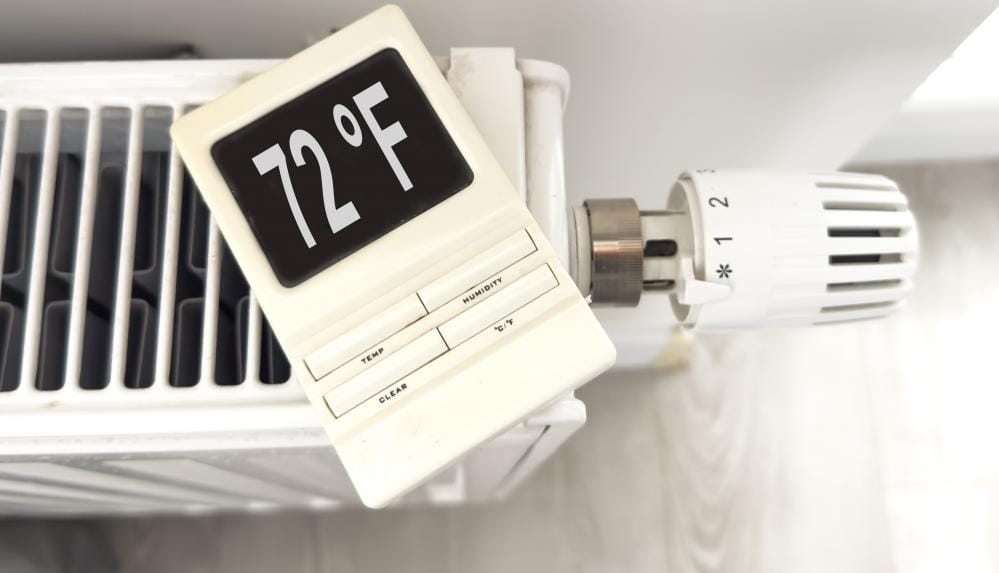
Understanding Dryer Temperature Control
At Los Angeles Appliance Repair, we’ve encountered a wide range of issues related to dryer temperature control. This feature plays a critical role in ensuring your clothes dry effectively without damage. One aspect of our work involves understanding how dryer temperature control impacts the drying process and the function of different settings. Many customers are unaware that the heat levels can vary significantly depending on the cycle chosen and the load size.
Due to the frequency of dryer-related service calls, our technicians have developed a keen insight into optimizing dryer performance. Often, issues stem from improper dryer temperature control, which can lead to prolonged drying times or even fabric damage. Our goal is to provide solutions that maintain the efficiency and longevity of your appliance.
Factors Impacting Dryer Temperature Control
Several factors can influence your dryer’s temperature control settings. The size and dampness of the load, for instance, determine how much heat is required. Smaller loads may need lower temperatures, whereas larger, damp loads might necessitate higher heat for efficient drying.
Room temperature is another consideration. Dryers pull air from their surroundings, affecting the outgoing heat. In cooler rooms, the dryer may need to work harder to reach the desired heat level. Restrictive airflow, such as clogged vents, can also hinder proper temperature regulation, posing a potential hazard.
Here at Los Angeles Appliance Repair, we emphasize checking and maintaining air pathways. This not only enhances dry time but also ensures safety through effective dryer temperature control. Our experience shows that improper venting can lead to overheating, often resulting in costly repairs.
Additionally, the age and model of your dryer can affect how well it maintains the set temperatures. Older models may not have the precise dryer temperature control capabilities that modern units boast, and this is something we address during our service visits.
Common Issues with Dryer Temperature Control
Most issues we encounter are related to incorrect settings on the dryer temperature control panel or malfunctioning thermostats. Often, users accidentally set their dryers to higher temperatures than necessary, causing wear and tear on fabrics.
Thermostats can wear out over time, leading to inconsistent or ineffective dryer temperature control. If you notice clothes taking longer to dry or coming out hotter than usual, it might be an indication of a faulty thermostat. Our technicians are adept at diagnosing such issues, providing quick and efficient repair solutions.
Maintenance Tips for Optimal Dryer Temperature Control
Regular maintenance can prevent most dryer temperature control problems. Cleaning the lint filter after every load is a practice we encourage. It not only aids in maintaining temperature but also improves energy efficiency.
Inspecting and cleaning the dryer vents periodically can significantly enhance the performance of the dryer temperature control system. This ensures the unit operates under optimal conditions, preventing overheating and reducing the risk of fire.
Also, checking for signs of electrical issues is crucial. If you notice flickering lights or inconsistent drying times, it’s time to get the dryer inspected by professionals like us at Los Angeles Appliance Repair.
Regular checks and professional maintenance can extend the lifespan of your appliance while ensuring that it operates efficiently.
Personal Experiences and Insights
In our years of service, we have seen how beneficial understanding dryer temperature control can be for homeowners. Our interactions with customers often lead to discussions about optimizing their dryer settings, empowering them to use their appliances more effectively.
One customer, Helena B., shared how adjusting her dryer settings based on our advice saved her favorite wool sweater from shrinking. Such anecdotal evidence reinforces the importance of proper dryer temperature control.
Ensuring customers know how to adjust their appliances to suit different fabric types and load sizes is part of our service philosophy. We bring technical knowledge and personal experience to every service call, helping clients achieve the best results from their appliances.
Sensor Technology in Modern Laundry Appliances
At Los Angeles Appliance Repair, we are passionate about keeping your household appliances in perfect working order. Over the years, we've seen a remarkable evolution in sensor technology in laundry appliances. These sensors have revolutionized how modern washing machines and dryers function, bringing efficiency and convenience to homes.
Types of Sensors in Washing Machines
Temperature SensorsTemperature sensors are critical components in today’s washing machines. They ensure water is at the optimal temperature for cleaning clothes without damaging them. These sensors contribute to energy efficiency, reducing the need for excessive heating.
Water Level SensorsWater level sensors are another essential aspect of sensor technology in laundry appliances. They determine the precise water volume needed based on the load size, which helps conserve water and lower utility bills. This technology ensures that the washing machine only uses what is necessary, promoting sustainability.
Additionally, water level sensors aid in avoiding overflow and optimizing detergent usage, making every wash cycle both economical and eco-friendly.
Innovative Weight and Cloth Quality Sensors
Advanced washing machines now incorporate weight sensors that detect the load size before starting the cycle. These sensors adjust the cycle duration and energy consumption based on the detected weight, leading to significant resource savings.
Cloth quality sensors are also integral to sensor technology in laundry appliances. They distinguish between different fabric types, ensuring that each garment receives the right care. By automatically adjusting settings, these sensors enhance garment longevity and wash performance.
Importance of Vibration and Humidity Sensors
Vibration sensors are vital for detecting imbalance during spin cycles. They help maintain machine stability by redistributing the load, which not only extends the lifespan of the appliance but also reduces noise. Ensuring a smooth operation becomes effortless with these sensors.
Humidity sensors, primarily found in dryers, assist in accurately gauging moisture levels in clothes. By stopping the cycle once dryness is achieved, these sensors prevent over-drying, saving energy and protecting fabrics from potential heat damage.
These innovative features have significantly impacted the functionality and efficiency of modern dryers.
Personal Experiences and Insights
From my experiences at Los Angeles Appliance Repair, I’ve witnessed firsthand how sensor technology has reduced appliance malfunctions. These advancements minimize wear and tear, extending the lifespan of laundry appliances. Our customers often express delight with their units' precision and performance.
One instance that stands out is when we repaired a high-end washing machine that had a malfunctioning cloth quality sensor. Once replaced, the appliance resumed optimal performance, and the customer noted improved wash results and quieter operation.
This illustrates how precise and reliable sensor technology in laundry appliances has become, revolutionizing household chores.
What is the role of sensors in a dryer?
Sensors in dryers are crucial for ensuring efficient and safe operation. Here at Los Angeles Appliance Repair, we often describe sensors as the dryer’s “eyes.” They primarily detect moisture levels, allowing the dryer to determine when clothes are properly dried. By doing so, sensors prevent overdrying, safeguarding both fabric quality and energy efficiency. For instance, if you've ever noticed a dryer stopping sooner than expected, that's the sensors kicking in to save energy and reduce wear on your clothes. Have you ever wondered how much energy you could save with functioning sensors?
How do sensors work step by step in a dryer?
The operation of sensors is quite fascinating and straightforward once you understand it. First, they assess the moisture level within the dryer drum, typically through moisture sensors located on the inside front wall. As your clothes tumble, these sensors intermittently test for dampness. Based on their readings, the dryer adjusts its time and temperature settings. If the sensors detect sufficient dryness, they signal the machine to halt the cycle. This seamless process not only ensures your clothes are dried just right but also minimizes energy consumption. Have you ever noticed how some loads dry faster than others even when using the same settings?
What are the 5 types of sensors in dryers?
While discussing dryer sensors, we usually focus on moisture sensors, but there are a few other sensors that play essential roles. Besides moisture sensors, dryers may include temperature sensors to monitor and adjust heat levels, ensuring consistent drying without overheating. Some advanced models also incorporate load sensors to determine the weight and size of the load, optimizing cycle settings. Humidity sensors can fine-tune the process by gauging the air’s moisture content, while drum sensors may monitor the drum's speed and balance. Each sensor contributes to efficient and safe drying. How might incorporating more sensors impact the efficiency of dryers further?
What is the basic principle of sensors in dryers?
The fundamental principle behind sensors in dryers is to measure the moisture content and adjust the drying process accordingly. By maintaining optimal moisture levels, sensors ensure that clothes are neither over- nor under-dried. This balance is key to preserving fabric integrity and enhancing energy efficiency. In essence, sensors act as data collectors, relaying information to the dryer’s control systems to make real-time adjustments. It’s like having a smart assistant that knows exactly when to stop the dryer. What other appliances in your home could benefit from such precise sensor technology?
What are common misconceptions about dryer sensors?
A common misconception is that sensors aren’t necessary for modern dryers and serve little purpose. However, our experience shows that they are vital for both performance and safety. Another misconception is that sensors lead to higher electricity bills. In reality, by ending cycles as soon as clothes are dry, they help save energy, reducing costs. Moreover, some people think all sensors work the same, but as we've seen with different brands and models, sensor accuracy and functionality can vary greatly. How do you think misconceptions about appliance technology affect how people use and buy their appliances?
What are common issues with dryer sensors, and how can they be resolved?
We frequently encounter issues where sensors either misread moisture levels or fail to function altogether. One common cause is lint buildup, which can obstruct sensor readings. Regular cleaning of the dryer and its components can mitigate this problem. Another issue arises from sensor wear over time, leading to inaccurate readings and signals. If cleaning doesn’t resolve the issue, sensor replacement might be necessary, a task our team handles efficiently. Have you noticed any inconsistencies in your dryer’s performance that could be linked to sensor issues?
How do thermostats contribute to dryer performance?
Thermostats are essential for regulating the temperature within a dryer. They ensure that clothes are dried at optimal temperatures to prevent damage such as shrinkage or scorching. If a thermostat is faulty, the dryer might run too hot or too cold, resulting in inefficient drying or potential fabric damage. At Los Angeles Appliance Repair, we’ve often replaced thermostats that have either worn out or malfunctioned, restoring the dryer’s balance and performance. Have you considered how consistent heat plays a role in prolonging the life of your clothes?
What are the impacts of advanced sensor technology in modern dryers?
Advanced sensor technology in modern dryers can greatly enhance drying efficiency and fabric care. For instance, smart sensors in today’s dryers can anticipate fabric needs, adjusting cycles to cater specifically to delicate or mixed fabrics. This results in energy savings and reduces wear on clothes, often prolonging their life. Additionally, some models feature Wi-Fi connectivity, allowing users to monitor and control their dryers remotely. These technological advancements provide convenience and peace of mind. How do you think the incorporation of smart technology in household appliances will evolve in the next decade?
How does dryer temperature control affect energy consumption?
Temperature control in dryers is directly tied to energy efficiency. By maintaining the right temperature throughout the drying cycle, dryers avoid unnecessary energy use. If a dryer runs too hot, it could lead to excessive energy consumption and even potential damage to your clothes. Conversely, insufficient heat may extend drying times, increasing energy usage. Ensuring proper temperature control can significantly cut down your energy bills. At Los Angeles Appliance Repair, we emphasize the importance of correct settings in achieving both efficiency and fabric care. Have you tried adjusting your dryer settings for different load sizes?
What maintenance tips ensure optimal dryer temperature control?
Regular maintenance is key to optimal dryer temperature control. Start by cleaning the lint filter after every load; a clogged filter can impede airflow and affect temperature regulation. Periodically inspect and clean vent systems to prevent overheating risks. Checking for signs of electrical issues, like flickering lights or inconsistent drying times, can also preempt control problems. At Los Angeles Appliance Repair, our team is always ready to assist with these checks and offer guidance. Have you considered setting a regular maintenance schedule for your dryer?
What are the benefits of sensor technology in laundry appliances?
Sensor technology in laundry appliances offers numerous benefits, including enhanced efficiency, energy savings, and fabric protection. Temperature sensors maintain optimal water or air heat levels, while moisture sensors prevent overdrying. Water level sensors in washing machines ensure minimal water wastage, and advanced fabric sensors can adjust settings for different materials, enhancing garment longevity. These technologies ensure that appliances operate effectively while being environmentally friendly. How does the integration of advanced sensors impact your choice when purchasing laundry appliances?
#### Resources on Dryer Sensors and Thermostats- U.S. Department of Energy (DOE) – The DOE provides insights and guidelines on energy efficiency, including the benefits of advanced sensors in household appliances to help reduce energy consumption.
- Consumer Reports – Offers detailed reviews and comparisons of home appliances, including dryers, to help consumers make informed decisions based on reliability and advanced technology features.
- U.S. Consumer Product Safety Commission (CPSC) – Provides safety information and resources regarding appliance recalls and common hazards associated with dryer malfunctions and overheating.
- U.S. Environmental Protection Agency (EPA) – Offers resources on energy conservation and the environmental benefits of using energy-efficient appliances, including those equipped with advanced sensor technology.
- National Fire Protection Association (NFPA) – The NFPA provides information on fire safety related to dryers, including tips for preventing dryer fires and the importance of regular maintenance.
- Appliance411 – A resourceful platform providing extensive information on home appliance repair and maintenance, including troubleshooting common dryer issues and understanding the role of sensors and thermostats.