Understanding Appliance Lifespan
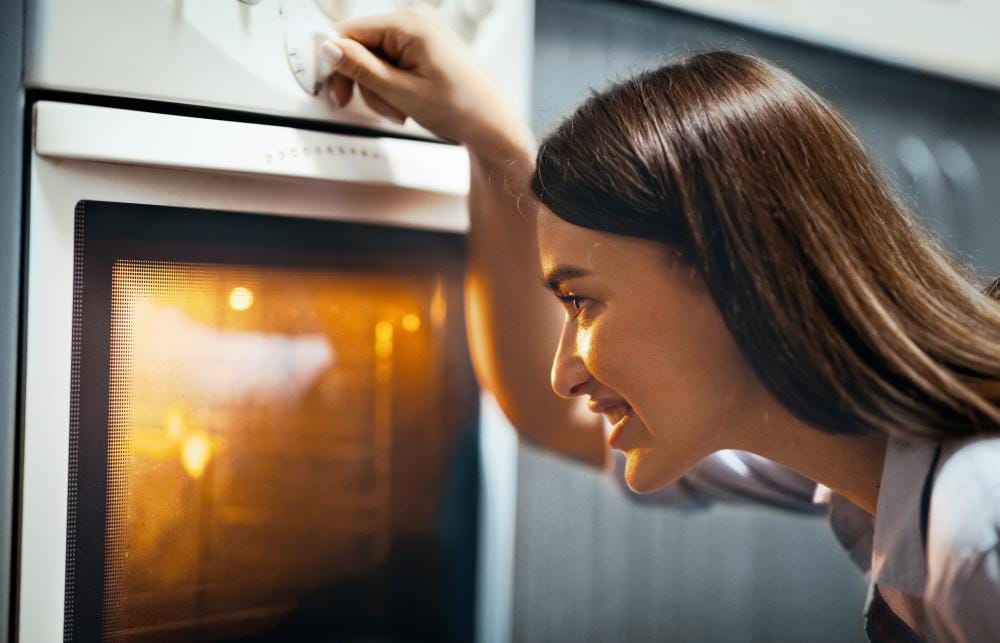
After over 20 years in the appliance repair industry, we've learned the importance of knowing an appliance's lifespan. A refrigerator, for instance, typically lasts between 10 to 12 years. A dishwasher, on the other hand, might hang around for 10 to 13 years before calling it quits. Recognizing these timelines can be crucial when deciding when to repair vs. replace small kitchen appliances.
When considering repair, the age of the appliance is a significant factor. If it's still within its expected lifespan, a repair might be worthwhile. However, if it's nearing the end, replacement could be more cost-effective. We've seen countless clients agonize over this decision, but understanding these lifespans can take away some of the guesswork.
The 50-50 Rule
Another key concept we've shared with customers is the 50-50 rule. This guideline suggests that if an appliance has reached 50% of its lifespan, and the repair costs are more than 50% of the replacement cost, it might be time to replace it. This handy rule of thumb helps simplify decisions when you’re faced with unexpected appliance breakdowns.
The emotional attachment to certain appliances often makes this decision challenging. Yet, sticking to the 50-50 rule can lead to wiser financial decisions. Especially with older models that might not be as efficient or environmentally friendly, replacement might be the smartest move.
Sometimes, repairing can still be a viable choice. If parts are readily available and less costly, extending the appliance's life might save you money. But once those costs creep up, replacement is usually the better option.
Availability of Parts
The availability of parts is a substantial determinant in deciding when to repair vs. replace small kitchen appliances. Our experience shows that newer appliances typically have parts that are easier to find. This accessibility often translates to more affordable repairs.
Conversely, older models might require parts that are scarce or discontinued. In such cases, locating these parts can be a costly endeavor. We've had customers who discovered that the cost and time involved in sourcing rare parts made replacement a more sensible choice.
Potential Safety Issues
Safety should never be overlooked when considering whether to repair or replace. An appliance with faulty wiring or other hazardous issues might pose significant safety risks. We stress to our clients the importance of prioritizing safety over cost savings.
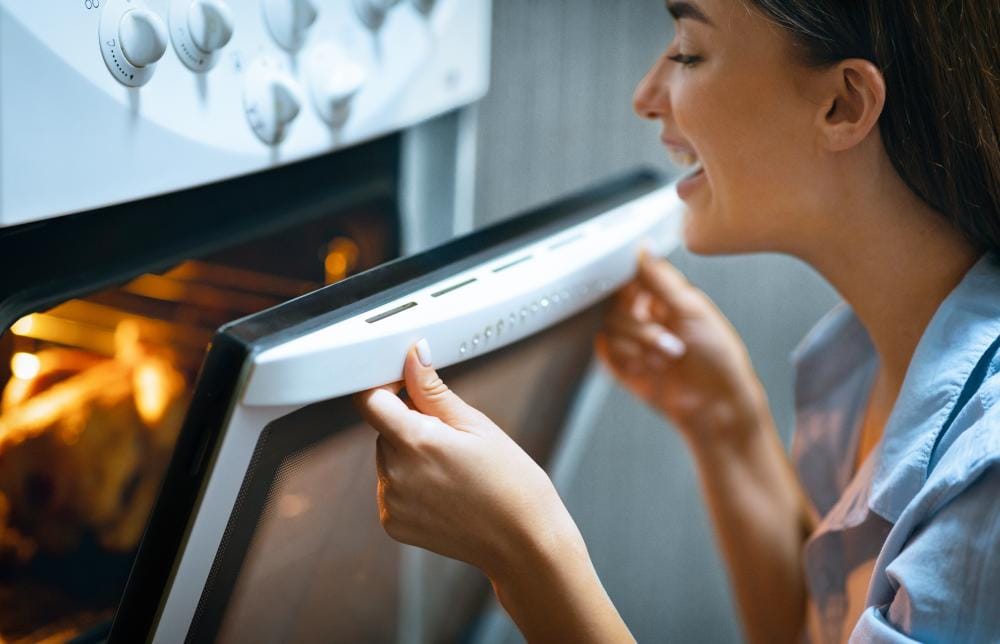
For instance, an oven with compromised wiring is not just inefficient; it's a fire hazard. While saving a few bucks is always appealing, the safety of your household stands paramount. We've handled numerous cases where the decision to replace was driven by safety concerns rather than financial ones.
Personal Experience and Local Service
At Los Angeles Appliance Repair, we've cultivated a deep understanding of the needs and concerns of our community. Our commitment to quick, reliable service is rooted in years of hands-on experience. We aim to provide personalized advice on when to repair vs. replace small kitchen appliances.
The personal stories and experiences shared by our technicians have offered valuable insights to our clients. Real-world examples, such as Mary L.'s fridge repair or Helena B.'s dryer repair, highlight the difference our service can make. We take pride in assisting Los Angeles residents in making informed decisions about their appliances.
Choosing the right course of action for an appliance is never easy. However, with the right knowledge and an experienced team like ours, the process becomes less daunting. Trust in a local service that understands your needs and can guide you smoothly through these decisions.
Importance of Regular Maintenance
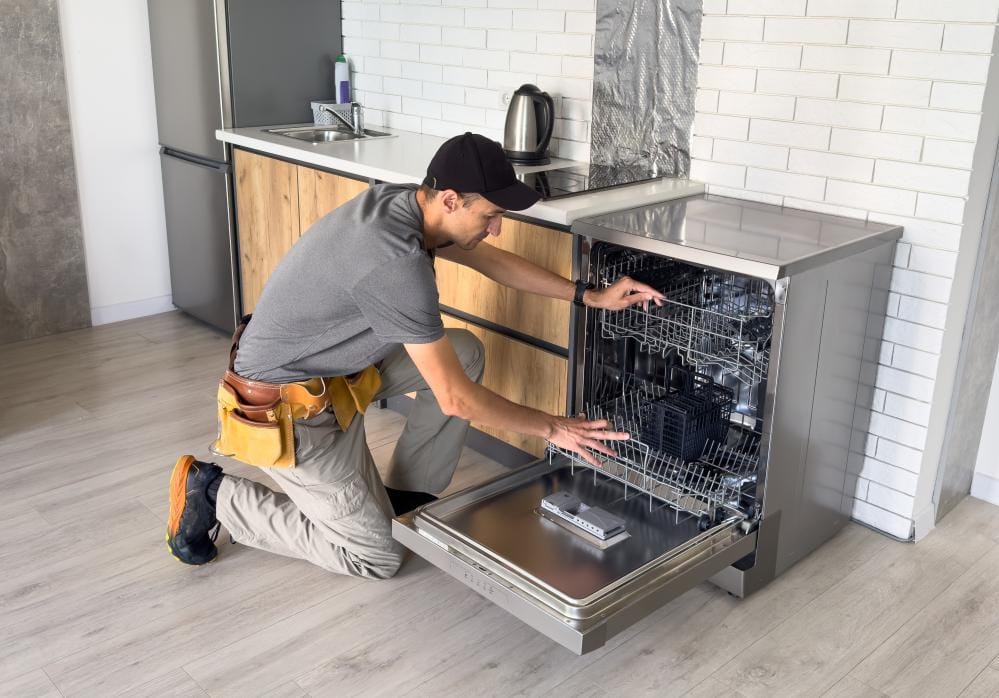
Our team at Los Angeles Appliance Repair understands the value of maintaining small kitchen appliances. Regular maintenance ensures appliances function efficiently over time. By taking simple steps, you can significantly extend the lifespan of your devices.
Keeping your appliances clean is crucial for optimal performance. Dirt and grime can clog components, leading to inefficiencies. Regularly wiping down surfaces and checking for wear can save time and money in the long run.
Small Kitchen Appliance Maintenance Tips are essential for preserving the functionality of your equipment. Simple actions like keeping appliances dry and storing them properly can prevent issues. This proactive approach helps avoid unexpected breakdowns.
Cleaning Techniques
Cleaning is a cornerstone of Small Kitchen Appliance Maintenance Tips. Ensuring your appliances are clean helps them work better and last longer. Use gentle, non-abrasive cleaners to maintain the integrity of the surfaces.
For appliances like blenders and food processors, ensure all removable parts are washed thoroughly. Pay special attention to crevices where food particles may hide. This practice prevents mold and bacteria buildup.
In addition to cleaning, check for any loose components. Tightening screws and examining cords for damage can prevent future issues. Regular vigilance ensures appliances are always in peak condition.
Electrical Safety
Maintaining electrical safety is vital when following Small Kitchen Appliance Maintenance Tips. Ensure all appliances are unplugged before cleaning. This simple step prevents the risk of electric shock.
Inspect power cords regularly for signs of wear or fraying. A damaged cord can be dangerous and should be replaced immediately. Always plug appliances directly into outlets to avoid overloading circuits.
For added safety, use Ground Fault Circuit Interrupter (GFCI) outlets in areas prone to moisture. This minimizes the risk of electrical mishaps. Such precautions protect both the user and the appliance.
Storage Strategies
Proper storage plays a crucial role in Small Kitchen Appliance Maintenance Tips. When not in use, ensure appliances are stored in a dry, cool place. This reduces the risk of moisture damage and prolongs their life.
Disassemble appliances as necessary, especially those with detachable parts. Storing parts separately can prevent damage and make future cleaning easier. It also keeps your kitchen organized.
Maintain a practice of checking appliances periodically. This ensures they remain in working condition even when not frequently used. Preventive measures maintain the longevity of your tools.
Regular Inspection
Conducting regular inspections is a critical component of Small Kitchen Appliance Maintenance Tips. Periodically check your appliances for signs of wear or potential malfunctions. Addressing these early prevents costly repairs down the road.
Look out for abnormal noises or changes in performance. These can indicate underlying issues that need attention. Early detection can save you from unexpected downtime.
Schedule a professional inspection if you notice persistent problems. At Los Angeles Appliance Repair, we offer comprehensive checks to ensure everything runs smoothly. Our experts can diagnose and fix issues efficiently.
By adhering to these tips, you ensure that your small kitchen appliances remain reliable. Maintenance is an investment in the longevity and safety of your kitchen tools.
Understanding Common Damage Signs
Here at Los Angeles Appliance Repair, we're familiar with the telltale signs of small kitchen appliance damage. It’s crucial to pay attention to these indicators before they escalate into more significant issues. A common sign is persistent unusual noises from appliances like blenders or mixers. It may indicate a problem with the motor or internal components.
Smoky smells are another red flag. They hint at electrical issues, possibly caused by faulty wiring. Additionally, if an appliance repeatedly trips your circuit breaker, this is a serious indicator of potential electrical hazards. Addressing these issues promptly can prevent accidents.
Performance decline is another notable sign. When toasters don't brown evenly or microwaves take longer to heat, it could signal underlying problems. These performance dips are often early warnings of small kitchen appliance damage, suggesting the need for a professional check-up.
Impact on Safety and Efficiency
Signs of small kitchen appliance damage can significantly affect safety and efficiency in your home. For instance, a damaged coffee maker may leak, increasing the risk of electrical shock. Leaks can also cause water damage to nearby furniture or flooring.
Energy inefficiency is another consequence. Appliances consuming more power than usual may have underlying issues. This not only raises electricity bills but also suggests the appliance is overworking and could fail soon.
Additionally, damaged appliances may emit sparks or have exposed wires, posing fire hazards. Our team at Los Angeles Appliance Repair emphasizes the importance of addressing these signs swiftly to avoid dangerous situations.
Preventive Measures and Solutions
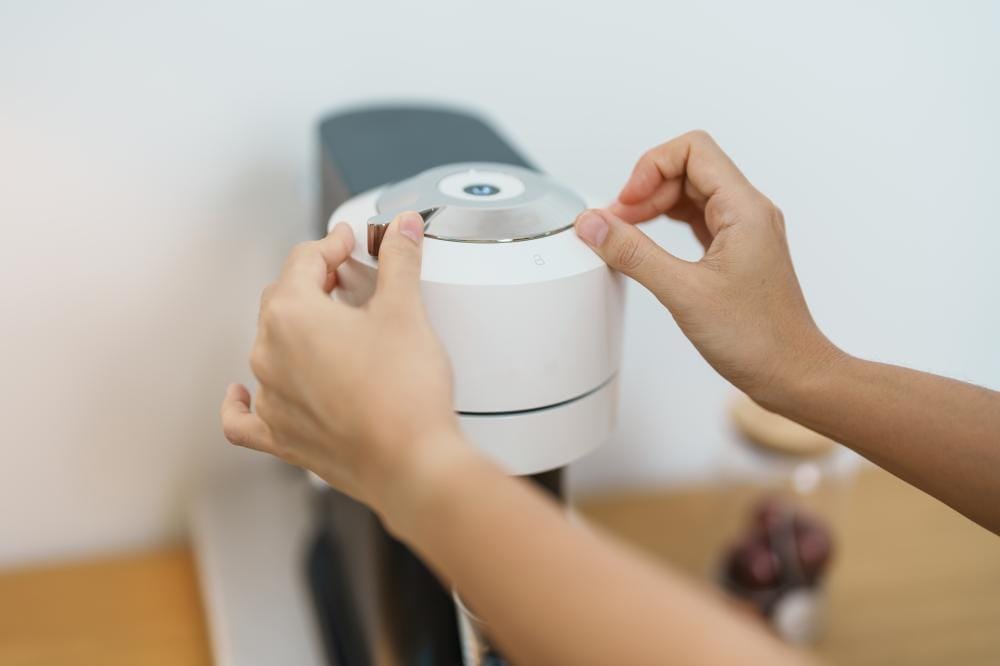
Preventive maintenance is key to avoiding extensive damage. Regularly cleaning and inspecting appliances helps identify signs of small kitchen appliance damage early. For instance, descaling coffee makers can prevent clogs and maintain heating efficiency.
Using appliances as per the manufacturer’s guidelines is equally important. Avoiding overloading or misusing appliances can considerably lower the risk of damage. If damage does occur, seeking professional repair services promptly is advisable.
We offer personalized service, ensuring each appliance is examined thoroughly. Our skilled technicians provide clear communication about necessary repairs, fostering trust and understanding with our clients.
Personal Experiences with Repair
Over the years, we've encountered numerous cases of small kitchen appliance damage. One memorable case involved a blender that emitted loud noises due to worn bearings. Our technician swiftly diagnosed and replaced the bearings, restoring the blender's functionality.
Another instance involved a microwave exhibiting erratic heating. On inspection, we found a faulty magnetron. Replacing this component not only fixed the issue but also enhanced the appliance's energy efficiency.
These experiences highlight our dedication to resolving appliance issues effectively. We understand the inconvenience a malfunctioning appliance can cause, which is why we strive to deliver prompt and reliable services.
Why Choose Professional Repair Services
Opting for professional repair services is crucial when dealing with signs of small kitchen appliance damage. Attempting DIY fixes can lead to further damage or void warranties. Our team possesses the expertise and tools to handle repairs safely and efficiently.
We guarantee quality service tailored to meet specific appliance needs. Our commitment is to help maintain the functionality and safety of your home appliances. By trusting professionals, you ensure longevity and optimal performance of your kitchen appliances.
At Los Angeles Appliance Repair, we pride ourselves on delivering service that combines skill, experience, and commitment to client satisfaction.
Is it better to repair or replace appliances?
At Los Angeles Appliance Repair, we often encounter the dilemma of whether it's better to repair or replace small kitchen appliances. It's understandable—appliances are essential components of our daily lives. The decision largely depends on factors such as the appliance's age, repair costs, and emotional or sentimental value.
For instance, if an appliance is still within its expected lifespan, and the cost of repair is reasonable compared to replacement, repair is typically the better choice. However, for older appliances, especially those nearing the end of their lifespan, replacement might be more cost-effective. This is particularly true if the appliance is no longer energy efficient or has recurring issues that could lead to higher repair costs down the line.
Additionally, consider the availability of parts. For older models, parts might be scarce or even discontinued, making repairs challenging. Safety is another crucial factor. Appliances with safety issues—such as faulty wiring—might be better off replaced. Just last week, we advised a client to replace a toaster with severe wiring issues to prevent fire hazards.
Ultimately, weigh the costs, longevity, and safety to make an informed decision. What factors are most important to you when deciding to repair or replace an appliance?
How long should a small appliance last?
Based on our 20 years of experience at Los Angeles Appliance Repair, the lifespan of small kitchen appliances can vary, but there are general expectations. Refrigerators typically last between 10 to 12 years, while dishwashers can function well for about 10 to 13 years. Smaller appliances like toasters and blenders generally have a shorter lifespan, often around 5 to 8 years, depending on usage and maintenance.
Regular maintenance is key to extending an appliance's life. Simple practices like cleaning, proper storage, and regular inspection can significantly prolong functionality. We remind our clients that even with careful maintenance, appliances can wear down over time due to normal use. For example, a blender used daily will likely experience more wear than one used occasionally.
It's essential to understand that these are average lifespans and individual experiences may vary. Consider what specific appliances you use the most and how that might impact their longevity. How do your appliances compare to these averages, and are there any you might need to replace soon?
When should I replace my kitchen appliances?
Knowing when to replace kitchen appliances involves considering several critical factors. We guide our clients at Los Angeles Appliance Repair to look at the age and condition of their appliances first. If an appliance is approaching or has surpassed its expected lifespan and is showing signs of deterioration, replacement is often advisable.
Frequent breakdowns and high repair costs are also strong indicators. If an appliance requires repairs that exceed 50% of its replacement cost (our 50-50 rule), it may be time to invest in a new model. This rule helps prioritize financial practicality, ensuring you don't spend excessively on an appliance that might soon need more repairs.
Efficiency is another consideration. Older appliances typically consume more energy, impacting both environmental footprint and utility bills. Upgrading to newer, energy-efficient models can lead to savings in the long run.
Finally, safety should never be compromised. Appliances with potential hazards, like electrical issues, warrant immediate replacement. I recall a case where a fridge frequently tripped the circuit breaker—turns out, the culprit was a failing motor that posed a fire risk. Whether it's for peace of mind, efficiency, or cost, what considerations guide your decisions on replacing appliances?
Is it worth repairing 20-year-old appliances?
When dealing with appliances that have reached or exceeded two decades of operation, the decision to repair can be complex. At Los Angeles Appliance Repair, our general guideline is that, due to advancements in technology and efficiency, repairing such old appliances might not be the best option.
Firstly, older appliances are often less energy-efficient, which means higher utility bills and a larger environmental impact. Modern models are designed to meet current efficiency standards and can offer significant savings over time.
Additionally, finding parts for 20-year-old appliances can be challenging and expensive, as manufacturers may have discontinued production. This increases repair costs, sometimes making the total cost equal to or greater than purchasing a new unit.
However, some clients feel emotionally attached to their appliances or prefer their retro aesthetics. In such cases, we advise considering whether the sentimental value outweighs the financial and practical aspects. Ultimately, while vintage charm can be appealing, safety, efficiency, and cost-effectiveness should guide your decision. What sentimental value do your older appliances hold, and how does that influence your decision-making process?
Resources
- U.S. Department of Energy: Offers valuable insights on how to improve the energy efficiency of home appliances and provides tips on when to consider replacing old appliances.
- Federal Trade Commission (FTC): Provides consumer advice on purchasing and maintaining home appliances, including guidelines on safety and cost efficiency.
- ENERGY STAR: Promotes energy efficiency with information on certified energy-efficient appliances that can help save money and protect the environment.
- U.S. Consumer Product Safety Commission: Offers important safety information and recalls related to household appliances to ensure consumer protection.
- National Institute of Standards and Technology (NIST): Provides resources on standards and technology that can impact appliance performance and maintenance.